
Z: The Beginning of Everything
2015
No user ratings available yet
Representation score: 6.0 out of 10
Representation Score
Fair
2019
Director
Michael Engler
Runtime
103 minutes
Average Rating
No ratings yetNew Showbiz Analysis
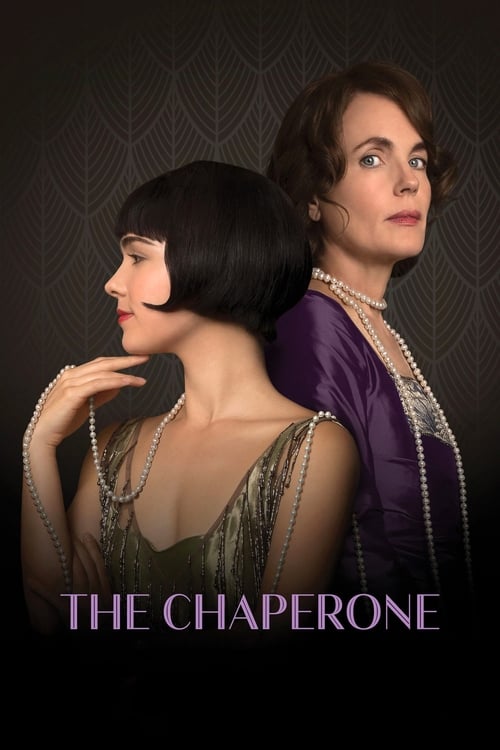
The Chaperone focuses on female autonomy and the quest for personal freedom. It effectively disrupts traditional gender roles by highlighting professional pursuits and resistance to domesticity. However, the film's scope is constrained by a lack of racial and ethnic diversity. While the homogeneous cast aligns with certain historical contexts, it overlooks the broader cultural landscape of the Jazz Age. Overall, the film excels in exploring individual liberation against social hierarchies but falls short in representing a wider range of demographics.
Category Breakdown
The film highlights the strong emotional bond and growing independence between two women. It avoids explicit same-sex intimacy but hints at a close relationship that challenges the era's assumptions about heterosexual relationships.
The story emphasizes female empowerment by overturning 1920s gender norms. Louise's defiance of domestic roles showcases women as key drivers of their own lives, not just passive participants.
The film features a predominantly white cast reflecting the specific socioeconomic context of the Midwest and New York. It does not significantly engage with the racial diversity of the Jazz Age.
The narrative underscores the conflict between Louise's working-class origins and Claire's upper-class background. It provides a moderate critique of the rigid class structures and moral norms of the early 20th century.
The film does not prominently feature characters with physical or neurodivergent disabilities that play central roles in the plot.
Present on Screen
Limited or Absent
Official Synopsis
In the early 1920s, a Kansas woman finds her life forever changed when she accompanies a young dancer on her fame-seeking journey to New York City.
2015

2016

2019

2018

2021
1982
2023
2020
No reviews yet. Be the first to share your thoughts on this movie!
Use the rating form above to leave a star rating and optional review.