Versailles
2008
No user ratings available yet
Representation score: 5.5 out of 10
Representation Score
Good
2000
Director
Dominique Cabrera
Runtime
102 minutes
Average Rating
No ratings yetNew Showbiz Analysis
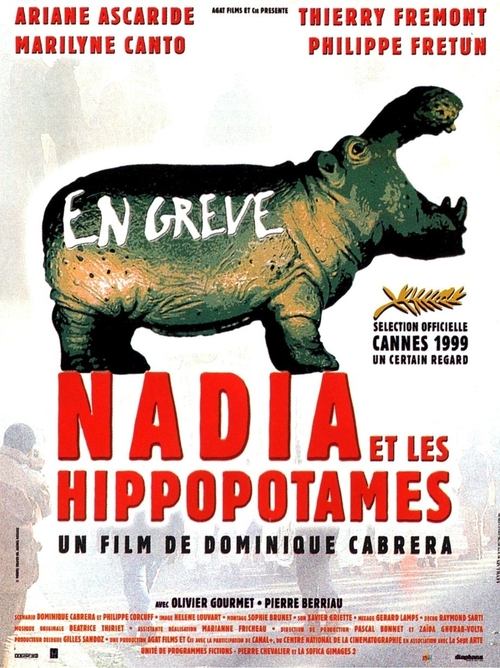
Nadia and the Hippos is a naturalist drama that centers on a underrepresented female perspective amid systemic social crisis. By focusing on a single mother navigating welfare and labor strikes, the film avoids traditional cinematic clichés that sideline women during periods of political unrest. The film's strength lies in its documentary-style realism and its critique of Western institutional stability. It presents a world where social and economic structures are constantly changing, offering a grounded look at life on the margins. However, the film lacks explicit representation of LGBTQ+ identities and does not feature characters with disabilities. While its commitment to social realism is evident, the narrative remains focused on a traditional familial and romantic framework.
Category Breakdown
The film focuses on a fatherly figure and does not include any clear LGBTQ+ narratives or non-cisgender identities.
The film emphasizes Nadia's internal life, giving her a strong role in the story. It challenges traditional hierarchies by placing a woman's perspective at the center of industrial social upheaval.
The film portrays an authentic urban French demographic with a gritty, realistic approach. It avoids idealized or homogeneous representations.
The story critiques institutional stability by showing the protagonist's struggle against state and capitalist structures. It highlights the tension between individuals and precarious socioeconomic systems.
The film does not feature any characters with visible or invisible disabilities playing a central role in the narrative.
Present on Screen
Limited or Absent
Official Synopsis
Single mother Nadia is surviving on welfare while transport strikes are paralyzing France in December 1995. While watching the news, she recognizes the father of her child among the strikers and decides to go and search for him. But she has nowhere to go. The film, shot almost entirely at night, carries documentary qualities, part of which is due to the appearances of actual railroad workers in several group scenes.
2008
1994
2001
1999
2022

2018

1959
2007
No reviews yet. Be the first to share your thoughts on this movie!
Use the rating form above to leave a star rating and optional review.