
Recep Ivedik 7
2022
No user ratings available yet
Representation score: 4.5 out of 10
Representation Score
Limited
2014
Director
Serkan Acar
Runtime
90 minutes
Average Rating
No ratings yetNew Showbiz Analysis
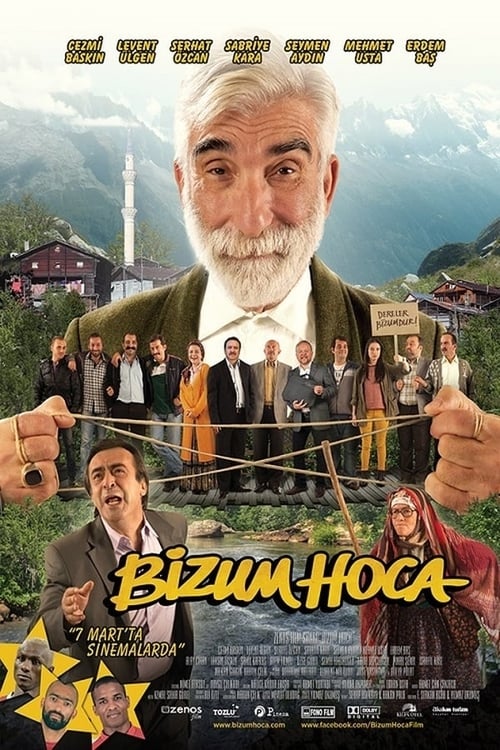
Our Hodja is a localized socio-political comedy centered on environmental advocacy. By focusing on a community's resistance to a hydroelectric power plant, the film challenges the dominance of centralized economic institutions. The protagonist disrupts traditional religious archetypes, offering a non-traditional leader who fights for his village. This provides a refreshing take on communal leadership and local identity. However, the film remains limited in its scope of social representation. It lacks engagement with LGBTQ+ themes and does not provide clear evidence of challenging traditional gender hierarchies.
Category Breakdown
The film does not include any LGBTQ+ characters or non-cisgender identities. It focuses on traditional communal and religious structures.
The story centers around a male protagonist and village leadership dynamics. While the Hodja offers a nuanced look at masculinity, there is no explicit focus on female empowerment.
The film portrays a homogeneous community within a specific regional setting. It functions as a study of local identity rather than diverse racial backgrounds.
The narrative critiques institutional power and capitalism, prioritizing environmental preservation and community involvement over industrial growth.
There is no information about the portrayal of physical, neurodivergent, or mental health conditions in this work.
Present on Screen
Limited or Absent
Official Synopsis
After the delay of an official imam sent to a little village, the villagers try to find an imam to lead them during pray. After discussions, they decide to make "Bizum Hoca" (Our hodja) the imam of village, a villager loved and respected by everyone, though he is not an official one. Hodja, a different man from stereotype imams, also wants to change some bad habits villagers have. Meanwhile, the construction of one of the hydroelectric power plants (HPP) causing intense discussions in the region, next to a river flowing through the village, becomes a hot issue on the village's agenda. The villagers are against this construction and the fight begins. "Bizum Hoca" finds himself leading the villagers who started the protests.
2022
2011
2015

2004
1987
1981
1972

1980
No reviews yet. Be the first to share your thoughts on this movie!
Use the rating form above to leave a star rating and optional review.