
Quentin Tarantino: 20 Years of Filmmaking
2013
No user ratings available yet
Representation score: 4.2 out of 10
Representation Score
Fair
1996
Director
Adam Simon
Runtime
55 minutes
Average Rating
No ratings yetNew Showbiz Analysis
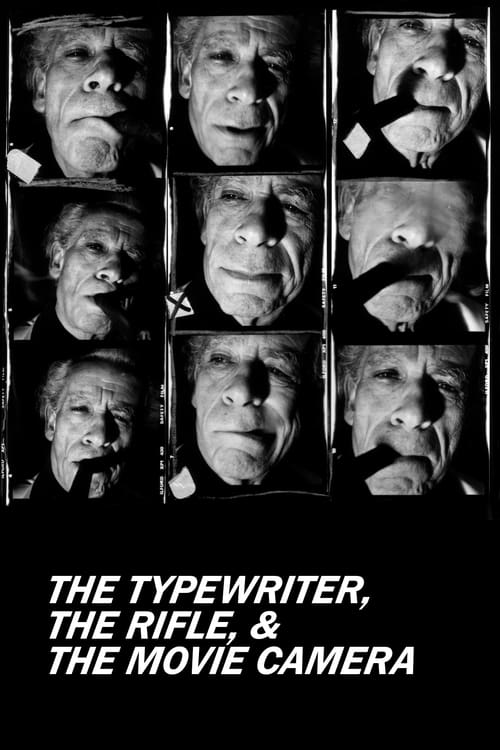
This documentary serves as a scholarly retrospective of Samuel Fuller, utilizing a tripartite structure to explore his life as a newsman, soldier, and director. It excels in its intellectual approach to cultural representation, using the perspectives of filmmakers like Scorsese and Tarantino to challenge objective historical truths. However, the film is limited by its historical subject matter. The focus on mid-20th-century journalism and warfare inherently leans toward traditional masculine archetypes and homogeneous social environments, resulting in lower scores for gender and racial diversity.
Category Breakdown
The film focuses on Samuel Fuller’s professional life as a journalist and soldier. There are no explicit LGBTQ+ character arcs or queer-coded narratives in the biographical segments.
The narrative centers on masculine spheres like combat and mid-century newsrooms. While contemporary directors provide intellectual insights, the film does not actively challenge traditional gender roles.
The historical focus on WWII and news reporting reflects the social constraints of the era. The core narrative centers on a historically homogeneous professional environment.
The documentary embraces postmodernism by prioritizing subjective memories and varying interpretations. This structure critiques how media and war shape human perception through a multi-perspective lens.
The provided documentation contains no specific information regarding the portrayal of physical or neurodivergent disabilities.
Present on Screen
Limited or Absent
Official Synopsis
In a documentary about Samuel Fuller, the spectator gets different impressions about the Hollywood director and his films. The film is divided into the three sections: The Typewriter, the Rifle and the Movie Camera. The first segment covers Fuller's past as a newsman where he began as a copy boy and ended as a reporter. Part two describes Fuller's experiences in World War II, in which he participated as a soldier. The last section focuses on Fuller as director. Tim Robbins interviews Samuel Fuller revealing the director's own memories and impressions. Beside the interview, Jim Jarmusch, Martin Scorsese and Quentin Tarantino accompany the documentary with their comments.
2013
1995
2013
2016

1990
2019
2006
1997
No reviews yet. Be the first to share your thoughts on this movie!
Use the rating form above to leave a star rating and optional review.