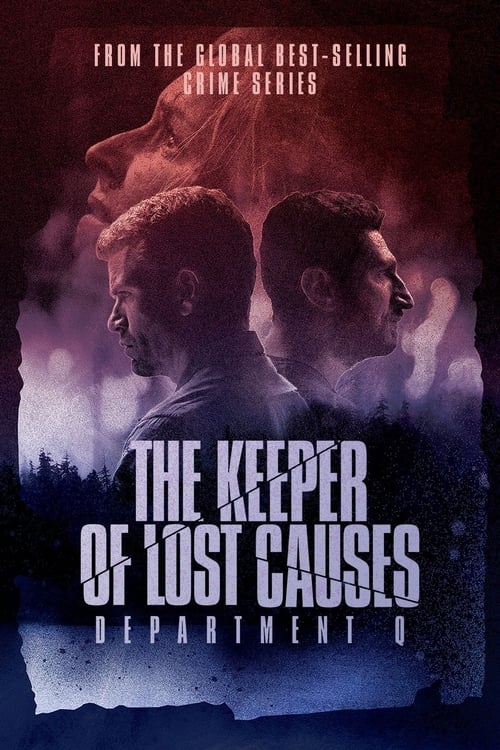
The Keeper of Lost Causes
2013
No user ratings available yet
Representation score: 7.8 out of 10
Representation Score
Fair
2014
Not RatedDirector
Mikkel Nørgaard
Runtime
116 minutes
Average Rating
No ratings yetNew Showbiz Analysis
The film is a typical genre piece that follows the conventions of Nordic Noir. It emphasizes gritty, procedural realism and investigative resolution over subverting social hierarchies or multi-layered identity politics. While the film avoids overt stereotypes, its narrative structure remains traditional. The focus is on the psychological impact of the investigation and the pursuit of truth within a flawed legal system. Diversity is introduced through character dynamics, such as the multi-ethnic partnership, but these elements support the plot rather than serving as central themes of social commentary.
Category Breakdown
The film doesn't include explicit LGBTQ+ characters or stories centered around non-assuming gender matches what was assigned at birth identities. The plot focuses on a traditional investigative procedure.
The story is driven by male protagonists, particularly the partnership between Carl Mørck and Assad. Female characters play functional roles rather than challenging traditional gender roles.
Assad's presence adds ethnic diversity to the Danish setting. Their partnership offers a subtle disruption to a homogeneous cast, but the plot prioritizes the crime over racial dynamics.
The film follows the Nordic Noir tradition, focusing on systemic flaws and legal failures. It centers on a traditional moral framework of justice rather than a critique of religion or capitalism.
There is no evident portrayal of physical or neurodivergent disabilities within the narrative.
Present on Screen
Limited or Absent
Official Synopsis
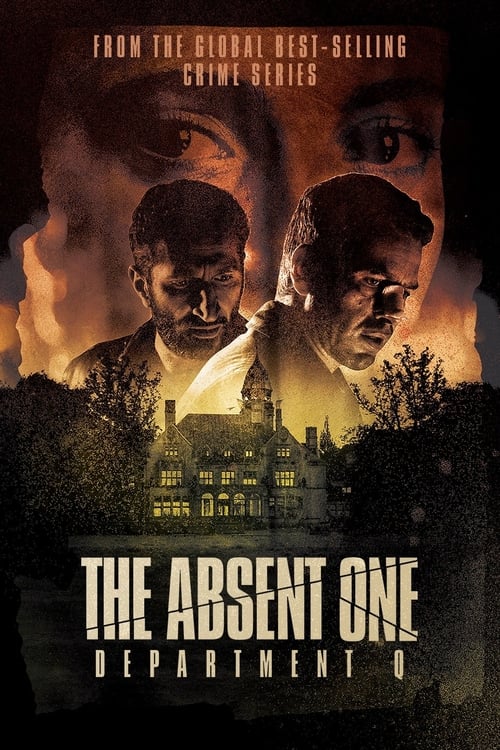
Denmark, 2014. A former police officer asks Carl Mørck, head of Department Q, to find out who brutally killed his young twins in 1994. Although a local inhabitant confessed and was convicted of murder, Carl and his partner Assad soon realize that there is something in the case resolution that is terribly wrong.
2013
2010
2004

2007
2014
2009
2001
2017
No reviews yet. Be the first to share your thoughts on this movie!
Use the rating form above to leave a star rating and optional review.