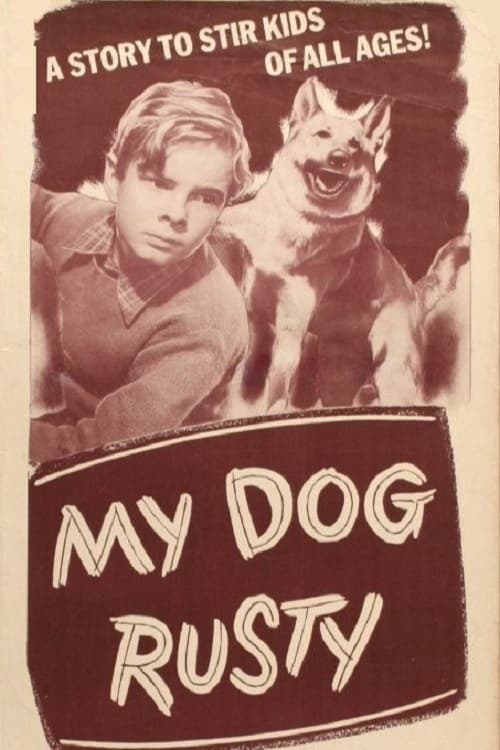
My Dog Rusty
1948
No user ratings available yet
Diversity score: 1.8 out of 10
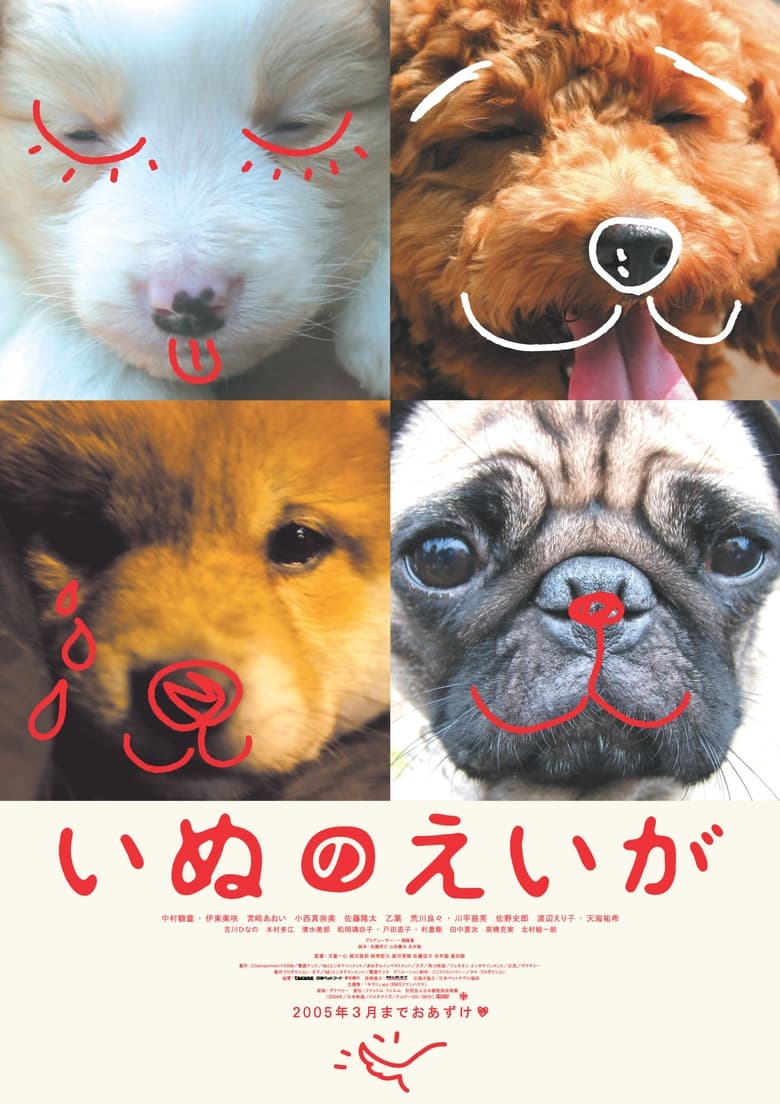
2005
Director
Akira Nagai, Yoshio Kuroda, Isshin Inudo, Hideki Kuroda, Tetsuhisa Yazu, Atsushi Sanada, Shinsuke Sato
Runtime
96 minutes
Average Rating
No ratings yetSynopsis
A series of short stories all about dogs.
Overall Score
Limited
Category Breakdown
LGBTQ+ Representation
The film lacks LGBTQ+ character arcs or non-cisnormative identities. The narrative focus remains strictly on the emotional bonds between pets and their owners.
Gender Representation
The drama leans toward conventional familial structures typical of the genre. There is no evidence of subverting traditional gender hierarchies or masculinity.
Racial & Ethnic Diversity
As a Japanese production, the film presents a culturally homogeneous cast. It does not actively seek to disrupt Western-centric casting norms.
Religious & Cultural Diversity
The stories emphasize traditional emotional bonds and domestic stability. There is no evidence of secularist or anti-Western narrative themes.
Disability Representation
The film provides no verifiable instances of disability-driven agency. There is no information regarding neurodivergent or mental health representation.
Strengths
Areas for Improvement
AI Analysis
All About My Dog is an anthology of vignettes centered on the relationship between humans and canines. Because the film prioritizes sentimentalism and domestic drama, it lacks the narrative complexity needed to explore identity politics or social hierarchies. The episodic structure and the use of a large directorial collective prevent a singular, systemic effort toward progressive representation. The work functions as a traditional genre piece rather than a vehicle for cultural critique. Ultimately, the film focuses on the universal theme of companionship, which results in a lack of diverse character development or social subversion.
1948
2007
2012

2003

2019
1995

1972

2009
No reviews yet. Be the first to share your thoughts on this movie!
Use the rating form above to leave a star rating and optional review.