Person of Interest
2010
No user ratings available yet
Representation score: 3.2 out of 10
Representation Score
Limited
2014
PG-13Director
Terry Green
Runtime
94 minutes
Average Rating
No ratings yetNew Showbiz Analysis
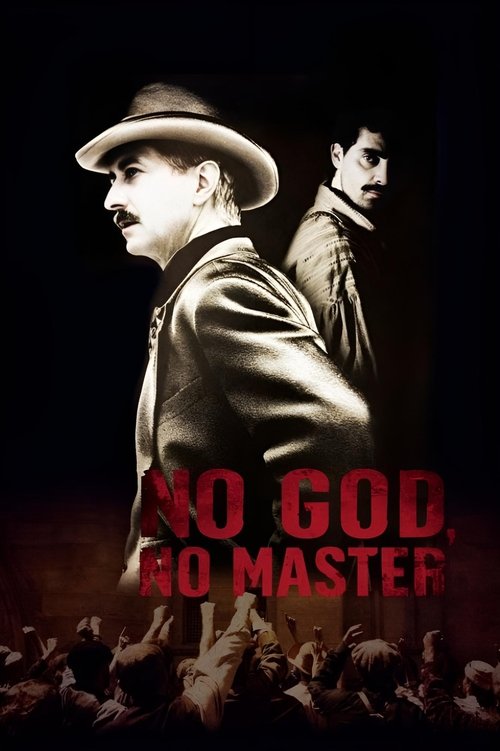
No God, No Master is a historical crime thriller that prioritizes the psychological impact of terrorism over identity politics. It functions as a character study of systemic tension during a period of intense political upheaval in 1919 New York. The film avoids a simplistic moral binary by exploring the nuances of political discontentment. However, it lacks explicit markers of progressive representation, such as casting that reflects multiple aspects of identity or subversion of social hierarchies. Ultimately, the narrative follows a traditional structure, focusing on state investigation and historical crime rather than contemporary social deconstruction.
Category Breakdown
The film focuses on geopolitical and criminal tensions in the post-WWI era. It does not include any non-straight or non-cisgender identities or narratives that question the assumption that everyone is straight.
The story centers on William Flynn, a male authority figure in a violent culture. The film adheres to traditional period-drama gender roles without challenging established hierarchies.
Set in 1919 New York, the film explores a period of ethnic tension. However, it lacks intentional casting that reflects multiple aspects of identity or characters of color who play a significant role in driving the story.
The story explores complex cultural values by examining greed, power, and politics. It avoids simple good-versus-evil binaries by distinguishing between true villains and the merely discontented.
The provided information contains no mention of characters with physical or neurodivergent disabilities.
Present on Screen
Limited or Absent
Official Synopsis
A plot to overthrow the United States government is uncovered in New York City in the summer of 1919 when William Flynn, a field agent for the Bureau of Investigation, is sent to investigate a bomb threat that has targeted some of America's most powerful politicians and leaders of commerce, New York millionaire John D. Rockefeller, Sr. among them. Flynn's investigation takes him on a journey into the underworld of homegrown terrorism and introduces him to a competitive culture of violence and murder. Greed, power, and politics are at the center of the story and Flynn must distinguish the villains from the merely discontented. Along the way, he discovers that terrorism has many faces and that a determination of guilt or innocence often lies in the psychology of fear that constricts individuals at every level of society. Sedona International Film Festival.
2010

2012
2004

1990
1974
1969

2014

2013
No reviews yet. Be the first to share your thoughts on this movie!
Use the rating form above to leave a star rating and optional review.