Find another title
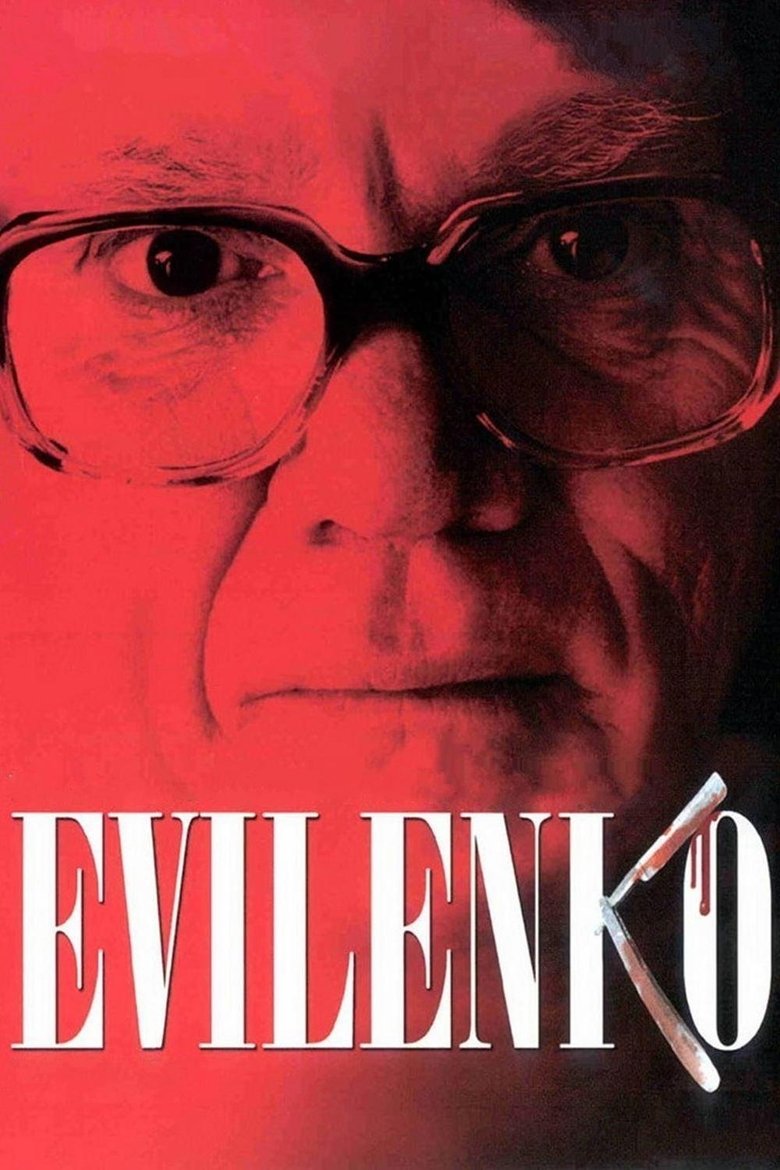
Evilenko
2004
RDirector
David Grieco
Runtime
111 minutes
Average Rating
No ratings yetSynopsis
For years, Andrei Evilenko eluded the obsessive Detective Lesiev and the psychiatric profiler Aron Richter. Spurred on by his rabid fury at the gradual crumbling of his precious Soviet Union, Evilenko is a man who will live, die and kill as a communist.
Where to Watch
Diversity & Representation
Overall Score
Fair
Category Breakdown
LGBTQ+ Representation
The film lacks explicit LGBTQ+ characters or narratives. The story focuses on a crime-thriller framework that appears to prioritize heteronormative archetypes.
Gender Representation
The narrative centers on a male antagonist and male investigators. This masculine-centric conflict lacks evidence of gender hierarchy subversion or female agency.
Racial & Ethnic Diversity
The setting of the crumbling Soviet Union introduces a complex landscape of ethnic identities. Geopolitical tension serves as a primary driver for the story.
Religious & Cultural Diversity
Political ideology is presented through the protagonist's destructive communist commitment. The Soviet decline serves as a backdrop for individual pathology rather than systemic critique.
Disability Representation
There is no mention of characters navigating physical or neurodivergent disabilities. While psychiatric profiling is involved, the portrayal of mental health remains unconfirmed.
Strengths
- The historical setting of the Soviet collapse provides a rich, complex landscape for exploring ethnic and national identities.
Areas for Improvement
- The narrative relies on traditional masculine-centric tropes, lacking significant female agency or gender subversion.
- There is a lack of explicit representation for LGBTQ+ identities or non-cisnormative narratives.
- The portrayal of political ideology focuses on destructive impulses rather than nuanced systemic critique.
AI Analysis
Evilenko is a period-specific crime drama driven by historical political friction and psychological volatility. The film relies on traditional thriller tropes rather than intentional intersectional representation. The narrative's strength lies in its use of the Soviet Union's collapse to create a specific cultural and geopolitical context. This setting provides a platform for exploring regional identities and historical tension. However, the film remains heavily centered on male-driven conflict and ideological fury. It lacks significant engagement with LGBTQ+ identities or nuanced deconstructions of social hierarchies.
Rate this Movie
Reviews
No reviews yet. Be the first to share your thoughts on this movie!
Use the rating form above to leave a star rating and optional review.