
The Tunnel
1988
No user ratings available yet
Representation score: 4.2 out of 10
Representation Score
Limited
1985
Director
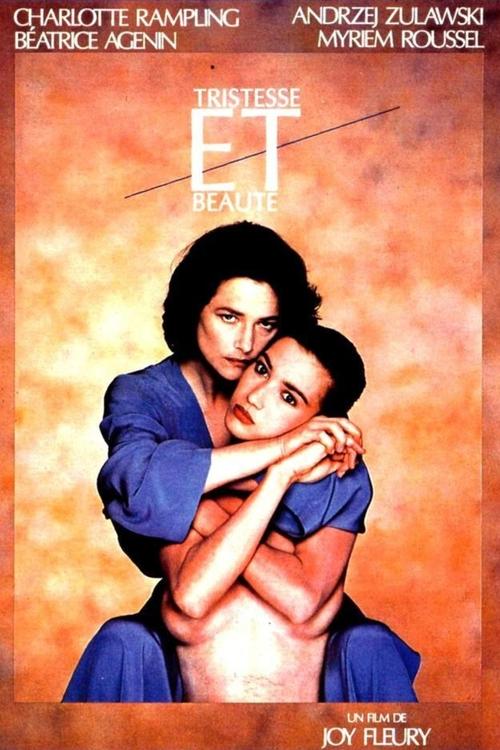
Joy Fleury
Runtime
100 minutes
Average Rating
No ratings yetNew Showbiz Analysis
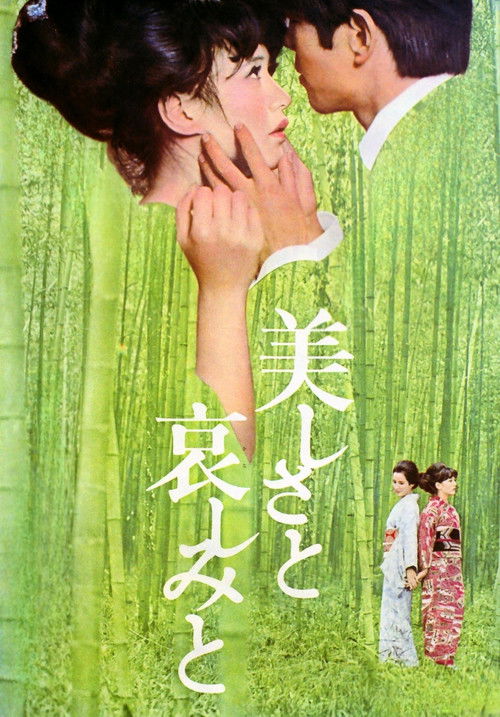
Sadness and Beauty succeeds in subverting traditional romantic power dynamics. By focusing on female empowerment through Lea and Prudence, the film moves away from conventional hero-driven narratives toward psychological complexity. However, the film's diversity profile is incomplete. The lack of information regarding racial, ethnic, or disability representation makes it difficult to assess the work's full inclusivity. Ultimately, the film is a character study that favors nuanced emotional realism over standard genre clichés, especially in handling gendered autonomy.
Category Breakdown
The film explores complex interpersonal relationships and non-traditional structures. While specific identity markers are not confirmed, the focus on emotional instability suggests a departure from traditional family dynamics.
Lea breaks the submissive muse stereotype by asserting professional independence and rejecting the male lead. Prudence drives the narrative through her intense emotions and strong convictions.
The available information provides no details regarding the racial or ethnic composition of the characters. No assessment can be made regarding this category.
The story emphasizes emotional realism and situational ethics over traditional moral archetypes. It examines the tension between individual creativity and societal responsibilities, challenging romantic ideals.
There is no evidence provided regarding the portrayal of physical or neurodivergent disabilities within the film.
Present on Screen
Limited or Absent
Official Synopsis
Hugo is a writer whose one great book was based on an affair he had with Lea, a sculptor. Bereft of inspiration for a follow-up, Hugo returns years later to rekindle the flame of romance and creativity. Lea soundly rejects him, and her student Prudence feels a burning hatred for the man who deserted the teacher she admires.
1988
1964
1984
1981
1981

1996
1965

1991
No reviews yet. Be the first to share your thoughts on this movie!
Use the rating form above to leave a star rating and optional review.