The Night Child
1975
No user ratings available yet
Diversity score: 2.2 out of 10
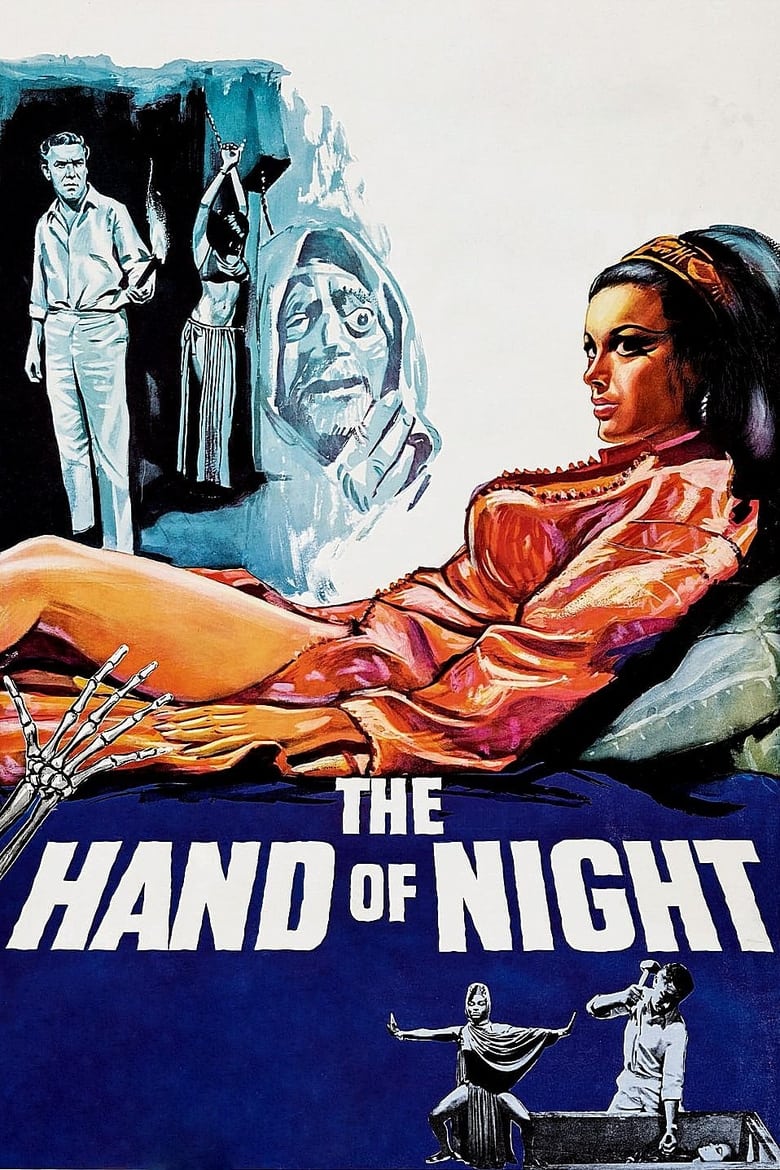
1968
Director
Frederick Goode
Runtime
88 minutes
Average Rating
No ratings yetSynopsis
A tourist travelling through Morocco discovers an ancient curse and must choose between light and dark.
Overall Score
Limited
Category Breakdown
LGBTQ+ Representation
The film lacks evidence of non-cisnormative identities or narratives that challenge heteronormativity. It appears to adhere to the traditional social structures common in 1968 cinema.
Gender Representation
The story centers on a tourist navigating a curse, a trope that typically prioritizes male agency. There is no indication of subverting gender hierarchies or traditional hero frameworks.
Racial & Ethnic Diversity
A Moroccan setting introduces non-Western geography and aesthetics. However, the tourist archetype suggests a Western lens that may frame local culture as a mysterious 'other' rather than a space of agency.
Religious & Cultural Diversity
The narrative relies on a Western moral binary of light versus dark. This structure often frames non-Western settings as sites of superstition or inexplicable danger.
Disability Representation
There is no documented evidence regarding the inclusion of characters with visible or invisible disabilities in the plot or casting.
Strengths
Areas for Improvement
AI Analysis
The Hand of Night is a product of its era, utilizing the 'exotic' setting common in 1960s horror. While the Moroccan backdrop provides geographic variety, the film follows conventional Western storytelling patterns. The narrative architecture relies on moral dualism and an outsider protagonist. This approach limits the potential for deep cultural engagement or systemic subversion, instead treating the setting as a backdrop for mystery. Ultimately, the film functions through a traditional lens, offering limited progressive representation across its core categories.
1975
1979
1961
1984
1962
1971
2000
2004
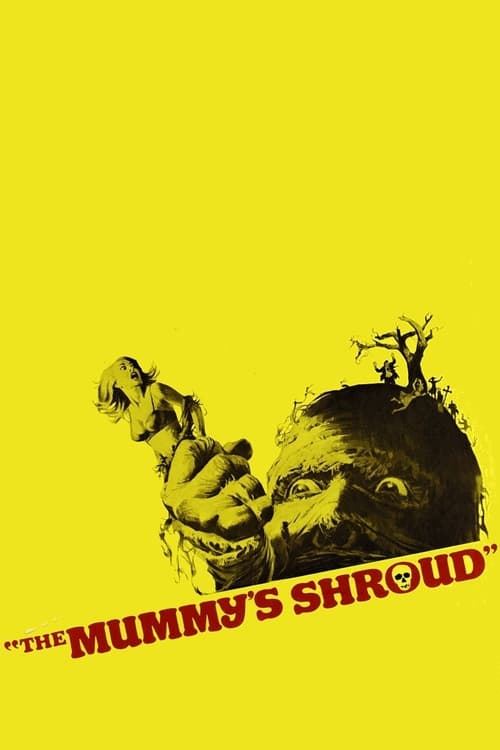
1967

1981
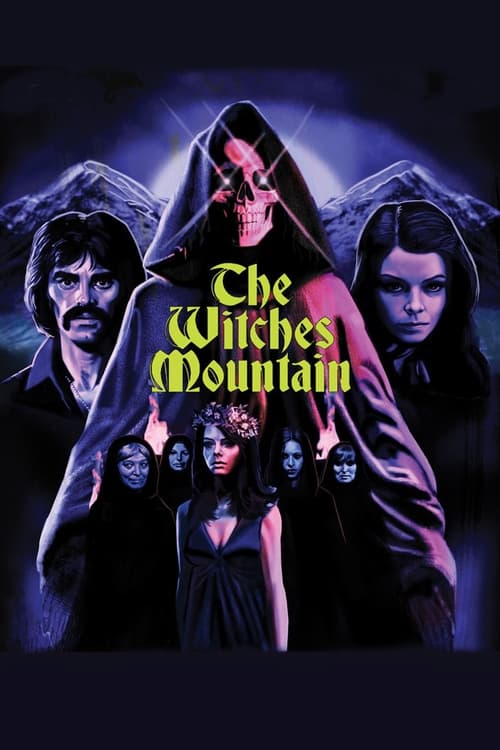
1973
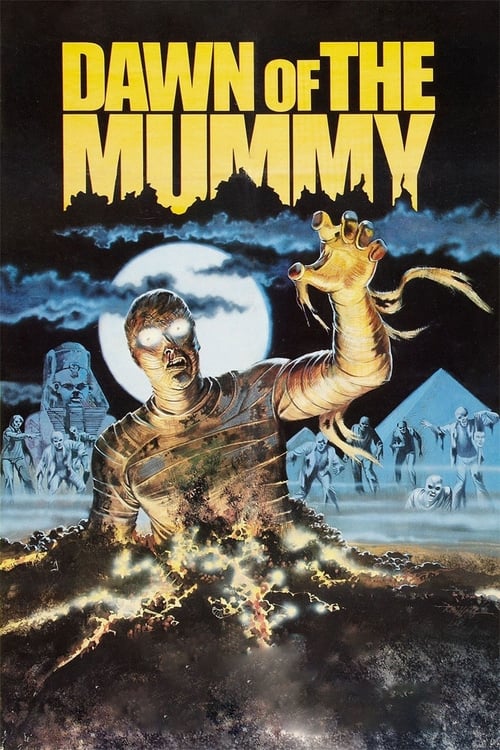
1981
No reviews yet. Be the first to share your thoughts on this movie!
Use the rating form above to leave a star rating and optional review.