How Good to See You Alive
1989
No user ratings available yet
Representation score: 9.2 out of 10
Representation Score
Fair
1974
Director
Jules Dassin
Runtime
92 minutes
Average Rating
No ratings yetNew Showbiz Analysis
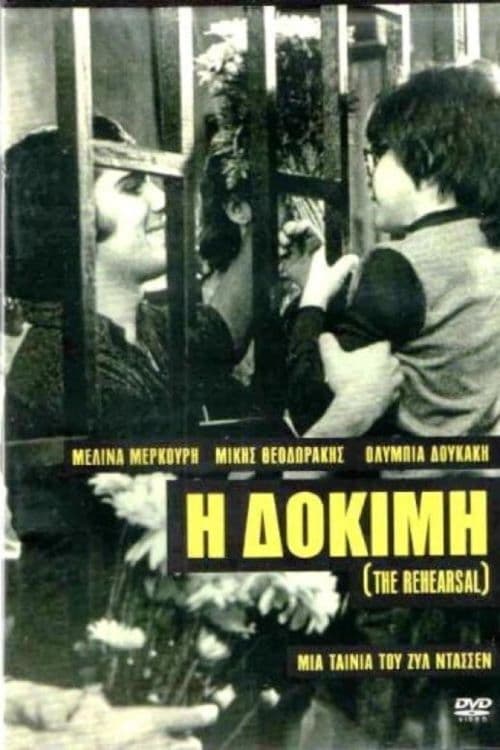
Jules Dassin’s film is a postmodern examination of truth and authority. It excels by centering a historical movement of resistance, effectively disrupting standard Western-centric cinematic focuses through its anti-establishment ethos. The film's strength lies in its ideological commitment to challenging systemic oppression. By using meta-cinematic techniques to deconstruct identity, it lays the groundwork for progressive thematic exploration despite a lack of specific demographic data. However, the work lacks overt representation in several key areas. While it challenges social hierarchies conceptually, it does not provide explicit, character-led narratives for LGBTQ+ or disabled individuals.
Category Breakdown
The film examines identity through a self-referential lens, treating it as a performance. However, it does not feature explicit narratives centered around same-sex relationships or non-cisgender identities.
By depicting gendered behavior as rehearsals, the film challenges traditional biological roles. However, it lacks clear examples of women taking a leading role in the political storyline.
The film shifts focus from an Anglo-centric perspective to a Mediterranean political setting. While it questions systemic oppression, specific information about the cast's racial makeup is limited.
This work provides a deep critique of authoritarianism by highlighting the Athens Polytechnic uprising. It uses poetry and music to emphasize resistance against corrupt state power.
There is no significant depiction of physical or neurodivergent disabilities within the film's narrative.
Present on Screen
Limited or Absent
Official Synopsis
An indictment of the Greek military junta of 1967–1974. The film tries to give a reconstruction of the events during the students' uprising in the Athens Polytechnic (November 1973) by documents, rehearsals, interviews, songs and poems.
1989

1975
1975
1967

1994
1969
1977

1977
No reviews yet. Be the first to share your thoughts on this movie!
Use the rating form above to leave a star rating and optional review.