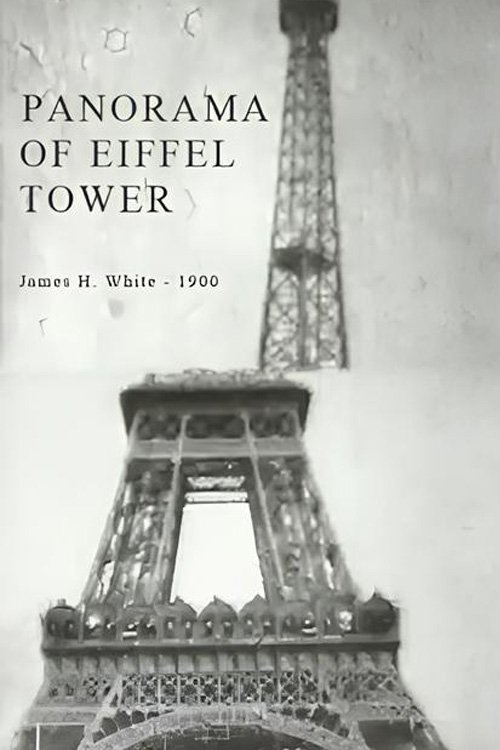
Panorama of Eiffel Tower
1900
No user ratings available yet
Representation score: 1.3 out of 10
No Poster Available
Representation Score
Minimal
1900
Director
James H. White
Runtime
2 minutes
Average Rating
No ratings yetNew Showbiz Analysis
This 1900 documentary is a historical record focused on the technological marvel of the Eiffel Tower. Its main goal is to document mechanical motion and the awe-inspiring effect of height, rather than human narratives. Since the film prioritizes urban vistas and structural documentation, it lacks the capacity for character-driven stories. It operates outside the framework of social commentary, providing a purely topographical view of the Paris Exposition. Ultimately, the film serves as a celebration of Western industrial achievement. It does not engage with or challenge social hierarchies, as there is no human ability to act or interpersonal dynamics presented.
Category Breakdown
The film focuses on showcasing urban landscapes and mechanical movements. It does not include any characters or dialogue related to LGBTQ+ identities or experiences.
The visual emphasis is on the architectural landscape and mechanical functions. There is no depiction of gendered social structures or individual ability to act.
The footage captures the 'enormous white city' of Paris from a bird's-eye view. It highlights a Eurocentric perspective without showing diverse racial backgrounds or specific cultural dynamics.
The film celebrates the achievements of Western industrial progress during the Belle Époque. It does not delve into or critique specific religious or political ideologies.
The subject matter is purely topographical and mechanical. There are no individuals with visible or invisible disabilities featured in the film.
Present on Screen
Limited or Absent
Official Synopsis
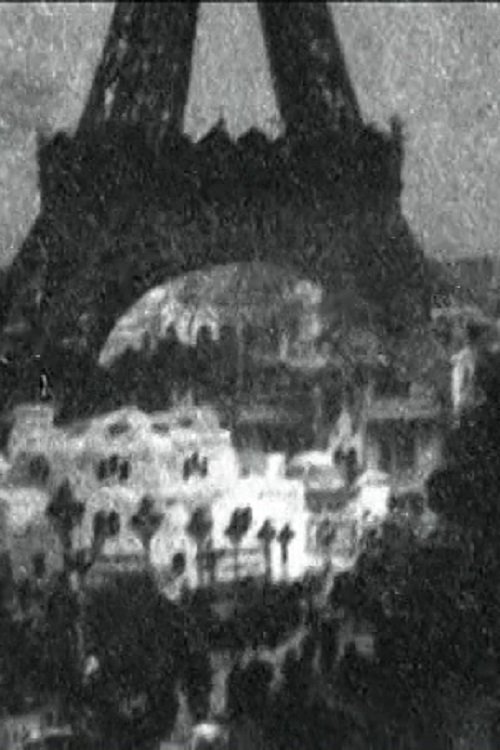
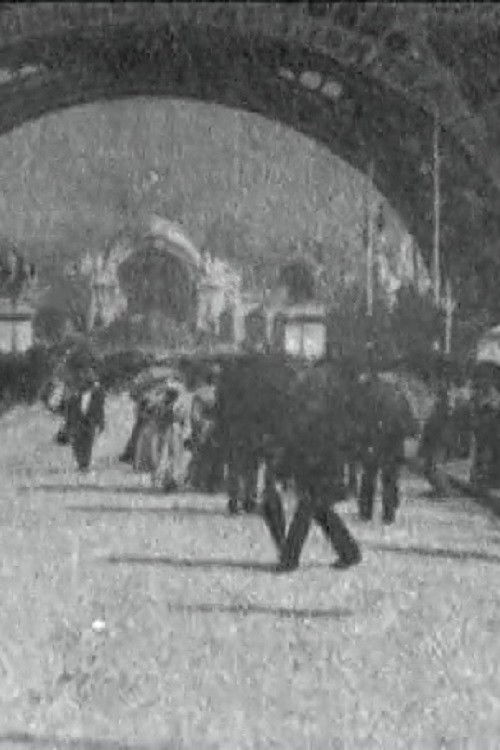
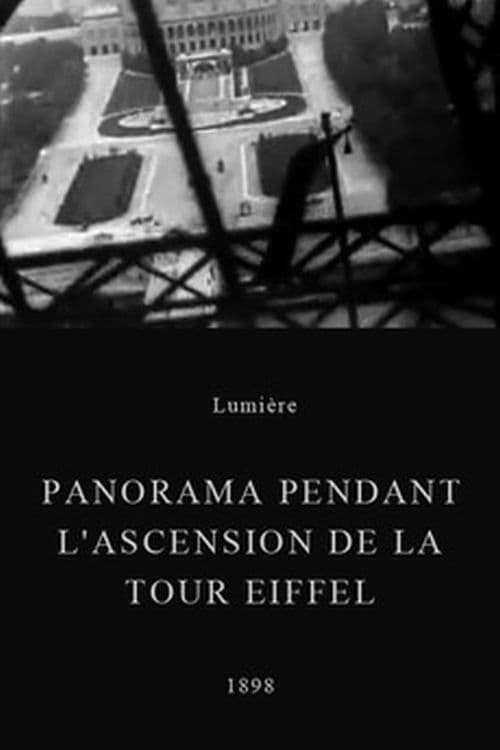
“A marvelously clear picture taken from the top of the elevator of the Eiffel Tower during going up and coming down of the car. This wonderful tower is 1,000 feet in height, and the picture produces a most sensational effect. As the camera leaves the ground and rises to the top of the tower, the enormous white city opens out to the view of the astonished spectator. Arriving at the top of the tower, a bird's eye view of the Exposition looking toward the Trocadero, and also toward the Palace of Electricity, is made, and the camera begins its descent. The entire trip is shown on a 200-foot film. 30.00. We furnish the ascent in 125 foot film.” (Edison film catalog)
1900
1900
1900
1898
1900
1900
1900
1900
No reviews yet. Be the first to share your thoughts on this movie!
Use the rating form above to leave a star rating and optional review.