Kochu Kochu Santhoshangal
2000
No user ratings available yet
Representation score: 1.2 out of 10
Representation Score
Fair
1997
Director
Kamal Haasan
Runtime
165 minutes
Average Rating
No ratings yetNew Showbiz Analysis
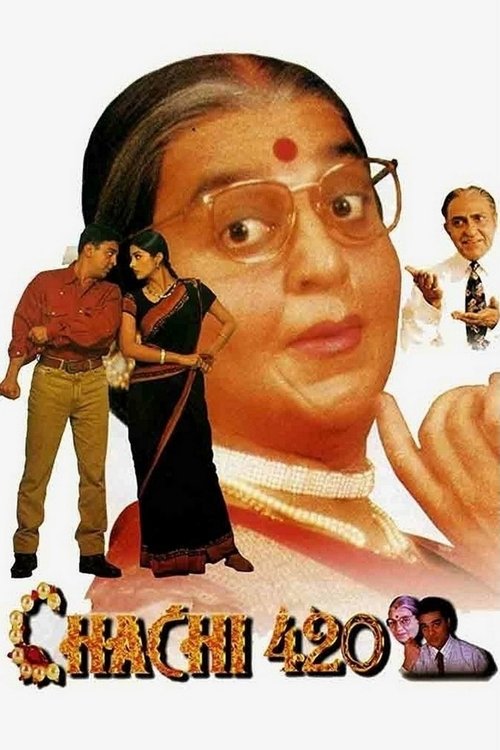
Chachi 420 uses a comedic premise to critically examine gender norms. By having a man take on domestic roles traditionally associated with women, the film highlights the constructed nature of gender and challenges the stability of identity. The film successfully subverts the 'provider' stereotype by focusing on emotional labor and domestic authority. This approach allows for a meaningful exploration of social influence through a character's evolution. However, the film remains confined by its homogeneous cultural setting and a lack of same-sex intimacy. While it questions gender binaries, it does not extend this critique to broader intersections of identity.
Category Breakdown
The film features a protagonist who adopts a female persona. Although the romantic goals are straight-centered, the story focuses on the non-traditional performance of gender identity.
By putting a male lead in domestic service roles, the film challenges traditional masculine stereotypes. The character 'Chachi' gains significant influence that defies rigid patriarchal structures.
The production operates within a relatively uniform cultural context. It provides an authentic depiction of middle-class Indian society without relying on exaggerated caricatures.
The story dismantles the ideal family unit by highlighting the complexities of divorce. It emphasizes emotional authenticity over strict adherence to traditional social or legal norms.
There is no significant evidence of characters with visible or invisible disabilities being used as central plot devices or subjects of ridicule.
Present on Screen
Limited or Absent
Official Synopsis
In order to see his little girl more often, a divorcee disguises himself as an old lady and gets a job as his own daughter's caretaker. A Hindi remake of the 1996 Tamil film "Avvai Shanmugi," which is itself a remake of the Hollywood film "Mrs. Doubtfire."
2000
2012
2018

1996
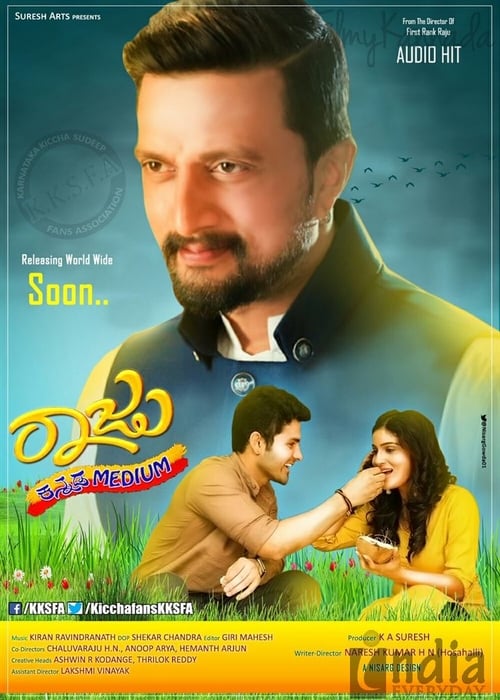
2018
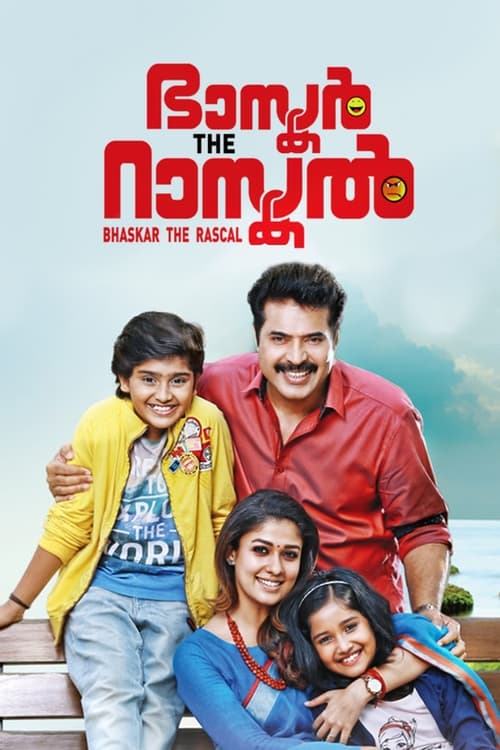
2015
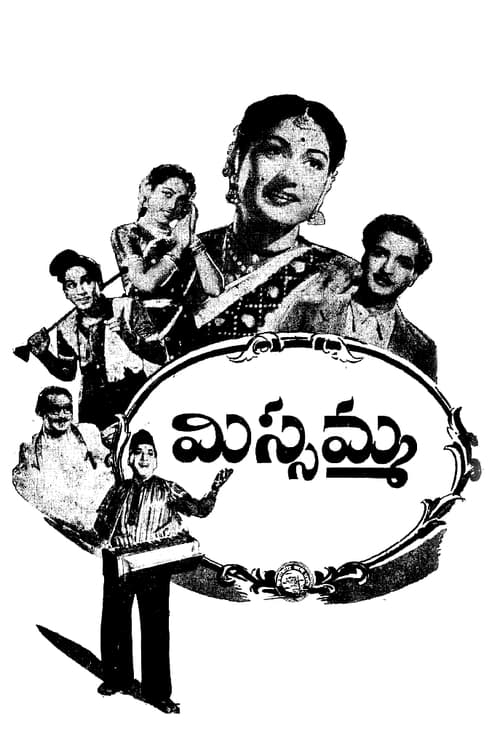
1955

2000
No reviews yet. Be the first to share your thoughts on this movie!
Use the rating form above to leave a star rating and optional review.