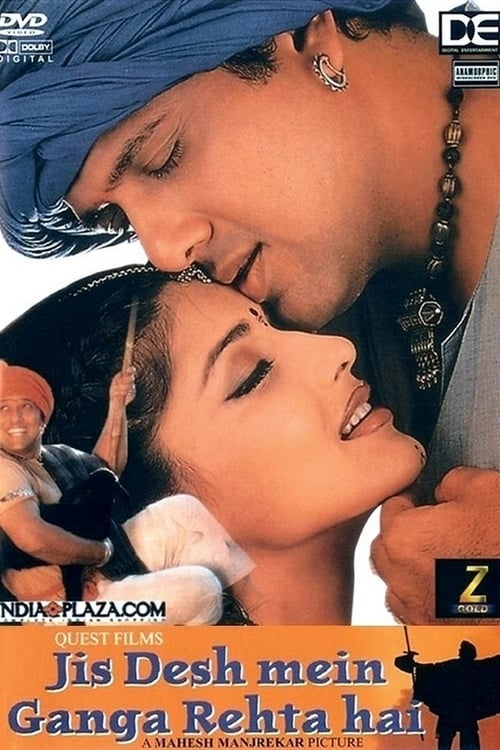
Jis Desh Mein Ganga Rehta Hai
2000
No user ratings available yet
Representation score: 2.8 out of 10
Representation Score
Good
2018
Not RatedDirector
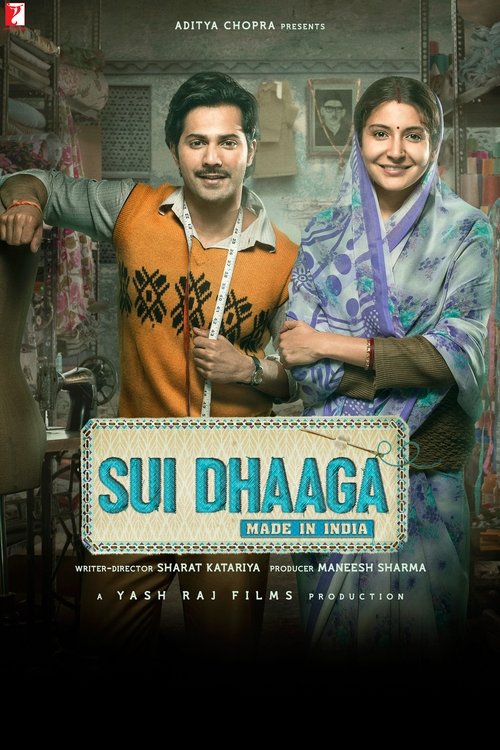
Sharat Katariya
Runtime
150 minutes
Average Rating
No ratings yetNew Showbiz Analysis
Sui Dhaaga stands out by elevating the role of its female protagonist within a traditional setting. By shifting economic power to Mamta, the film disrupts typical domestic hierarchies and celebrates female resilience. The film also offers a critical look at modern industrialization, portraying the shift from craftsmanship to mass production as a systemic threat to traditional identity and individual dignity. While the film lacks LGBTQ+ representation and broad ethnic diversity, its focus on the Indian working class provides a fresh perspective, moving away from homogenized, elite-centric commercial cinema.
Category Breakdown
The film follows a conventional storyline centered around a traditional marriage, with no visible representation of LGBTQ+ identities or narratives that challenge straight-centered assumptions.
The narrative challenges traditional gender roles by giving substantial control to Mamta, who transitions from a supportive spouse to the primary driver of economic success and professional expertise.
The film focuses on the Indian working class, providing an authentic portrayal of local domestic class structures without broad ethnic diversity.
The story critiques the impact of industrial capitalism on traditional crafts, highlighting the tension between preserving artisanal skills and the pressures of modern globalization.
A factory accident affects the male lead's livelihood, touching on physical vulnerability and economic consequences, but the film does not delve deeply into the specific experiences of disability.
Present on Screen
Limited or Absent
Official Synopsis
A heartwarming story of pride and self-reliance capturing the journey of Mauji and his wife Mamta, who pursue their passion by overcoming all odds.
2000
2006
2018
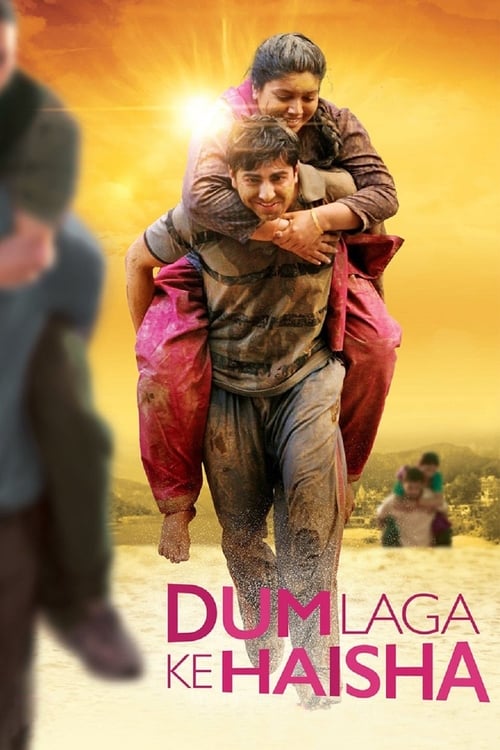
2015
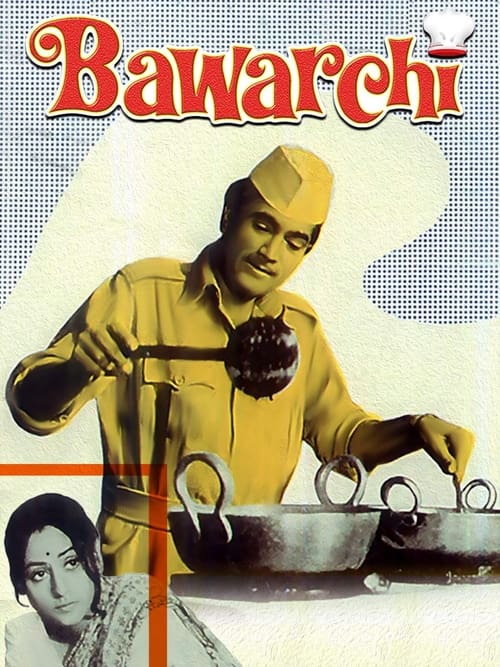
1972
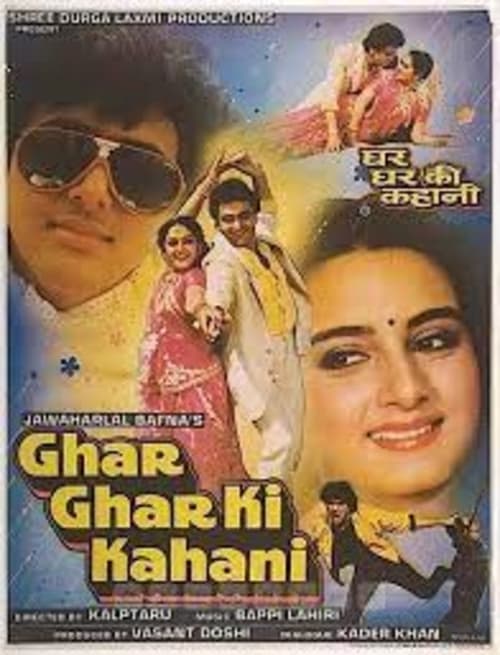
1988
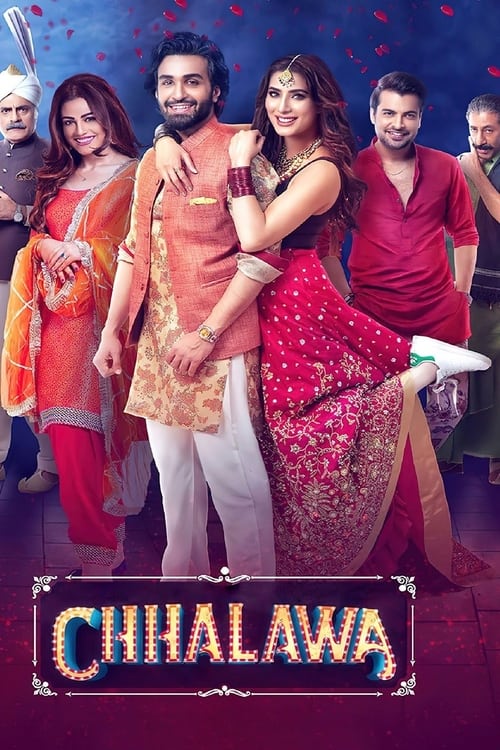
2019

2021
No reviews yet. Be the first to share your thoughts on this movie!
Use the rating form above to leave a star rating and optional review.