Plötzlich Türke
2016
No user ratings available yet
Diversity score: 6.8 out of 10
2015
Director
Marc-Andreas Bochert
Runtime
90 minutes
Average Rating
No ratings yetSynopsis
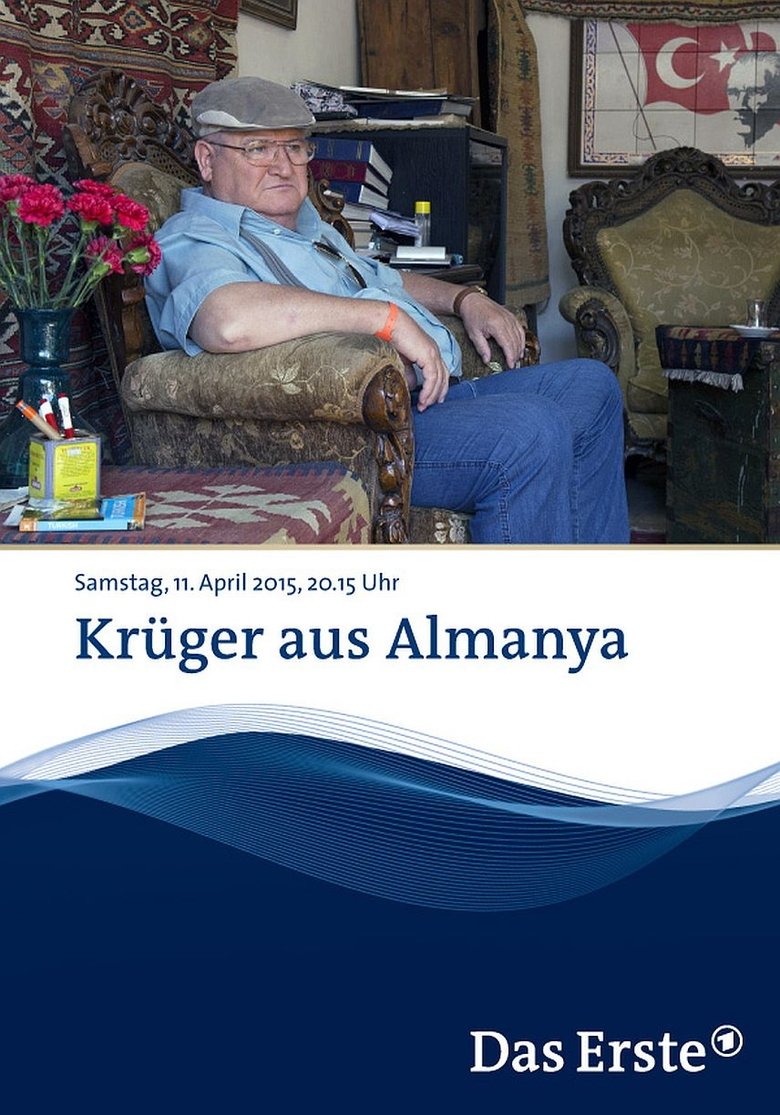
Berlin widower Paul Krüger, a retired ex-GDR stone mason (66), hates foreigner immigrants, especially Muslims. When his beloved, doting granddaughter Annie plans to marry Deniz, an ambitious student and waiter in Ankara who needs a visa for Germany, backward Paul and his buddy, publican Karin, go on Turkish 'holiday' so he can talk her out of it. But Deniz proves her only choice and probably a right one, even if countrymen and family win Paul's heart, as well as a resourceful preteen-thief, who proves an orphaned Syrian refugee. Paul even promises to plead with his counterpart, Deniz's family patriarch, who opposes him marrying a Christian infidel at pain of expulsion from the close clan.
Overall Score
Good
Category Breakdown
LGBTQ+ Representation
The story focuses on heteronormative romance through Annie and Deniz's engagement. While Karin provides a secondary social dynamic, the film lacks non-cisnormative character arcs or explicit LGBTQ+ identities.
Gender Representation
Female characters like Annie and Karin act as primary plot catalysts. Annie’s agency in choosing her partner challenges patriarchal decision-making, while Paul is forced into emotional vulnerability.
Racial & Ethnic Diversity
The film excels by moving the setting to Ankara, disrupting a Western-centric gaze. It provides nuanced depictions of Turkish family structures and the specific challenges faced by Syrian refugees.
Religious & Cultural Diversity
The narrative deconstructs nationalist sentiments by challenging Paul's xenophobia through cultural exposure. It prioritizes individual connection and cross-cultural integration over rigid religious or nationalist dogma.
Disability Representation
There are no prominent depictions of physical or neurodivergent disabilities serving as central narrative elements in this story.
Strengths
Areas for Improvement
AI Analysis
Krüger aus Almanya uses a comedic 'fish out of water' framework to dismantle xenophobic perspectives. The film succeeds by transitioning a rigid protagonist toward empathetic engagement with different cultures. The narrative's strength lies in its intersectional approach to ethnicity and its refusal to rely on monolithic portrayals. By centering the friction between GDR-era sensibilities and modern multiculturalism, it offers a sophisticated social commentary. However, the film remains limited by its focus on traditional romantic structures and a lack of diverse identity representation beyond the central ethnic conflict.
No reviews yet. Be the first to share your thoughts on this movie!
Use the rating form above to leave a star rating and optional review.