
Famosa
2020
No user ratings available yet
Representation score: 4.3 out of 10
Representation Score
Fair
1989
Director
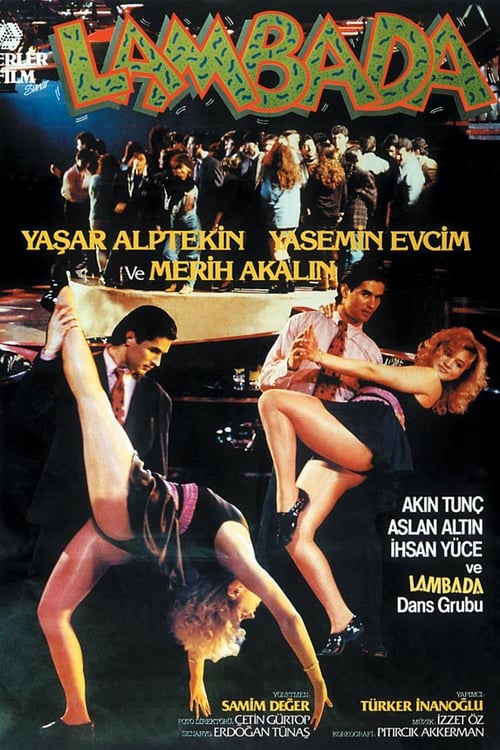
Samim Değer
Runtime
106 minutes
Average Rating
No ratings yetNew Showbiz Analysis
The film explores the intersection of socioeconomic and ethnic spaces effectively. It uses the setting of East Los Angeles to bridge gaps between affluent and working-class environments. However, the narrative heavily relies on traditional gender and romantic clichés. The power dynamics favor a masculine archetype of the secretive protector, limiting women's ability to drive the story to obsessive behavior. Ultimately, while the film avoids overtly harmful stereotypes, it remains tied to conventional social structures, lacking deeper multi-layered complexity.
Category Breakdown
The story focuses on traditional romantic relationships and tensions. The dance scene emphasizes conventional longing rather than exploring diverse sexual and gender identities.
Gender roles follow traditional patterns, with the male protagonist holding intellectual authority. The female lead is primarily defined by her obsessive admiration of the male character.
The film highlights socioeconomic differences by placing a white professional in an East Los Angeles neighborhood. This cross-cultural interaction challenges the isolation of class-based communities.
The narrative critiques formal institutions by emphasizing community-based learning in unconventional settings. However, the focus on trendy dance styles suggests a consumer-driven cultural perspective.
No visible or invisible disabilities are portrayed as central to the character arcs or the plot progression.
Present on Screen
Limited or Absent
Official Synopsis
Hakan (Yaşar Alptekin) is a dancer who wants to be famous.
2020

2005

1987

2007

1986

1995

1975
1988
No reviews yet. Be the first to share your thoughts on this movie!
Use the rating form above to leave a star rating and optional review.