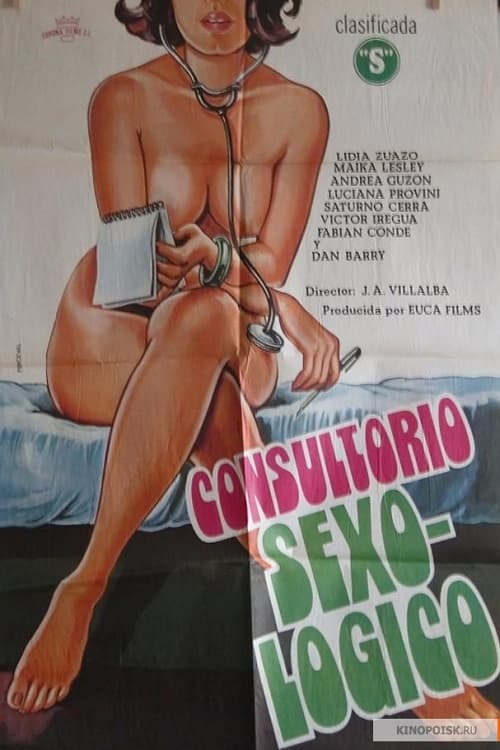
Consultorio sexológico
1980
No user ratings available yet
Representation score: 3.6 out of 10
Representation Score
Fair
1979
Director
Manuel Summers
Average Rating
No ratings yetNew Showbiz Analysis
Manuel Summers presents a nuanced critique of Spanish social norms, emphasizing individual choice over institutional morality. The film effectively dismantles repressive religious and state structures through a focus on sexual autonomy. While it successfully challenges traditional gender hierarchies and patriarchal authority, the film's demographic focus is limited. The absence of racial diversity reflects the era's social constraints but restricts the film's broader impact. Overall, the work serves as a progressive critique of the transitional period, using social disorder to highlight the quest for a modern, liberated identity.
Category Breakdown
The film challenges rigid assumptions about sexuality by promoting social liberation. It moves away from strict Catholic definitions of desire towards a more flexible understanding of human connections.
Women in the narrative play a significant role in driving the story, navigating desires outside of patriarchal oversight. This challenges traditional hierarchies and the submissive roles often seen in rural settings.
The cast is largely homogeneous, reflecting the demographics of rural Spain during the historical period. There is no intentional representation of diverse racial backgrounds.
The film criticizes the Catholic Church and patriarchal family structures as oppressive forces. It reframes behaviors labeled as sinful as natural expressions, challenging the morality of the previous regime.
There is no significant portrayal of physical or neurodivergent disabilities within the film's themes.
Present on Screen
Limited or Absent
1980
1979
1979
1981
1974

1971
1979

1979
No reviews yet. Be the first to share your thoughts on this movie!
Use the rating form above to leave a star rating and optional review.