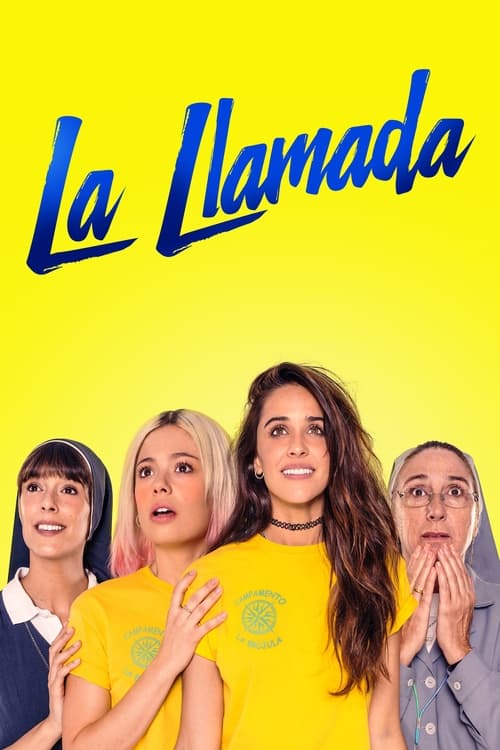
Holy Camp!
2017
No user ratings available yet
Representation score: 8.6 out of 10

Representation Score
Good
2015
Director
Rubén Ochandiano, Carlos Dorrego
Runtime
80 minutes
Average Rating
No ratings yetNew Showbiz Analysis
Cuento de verano functions as a character-driven romantic comedy that finds strength in subverting certain gendered expectations. By making the female character the catalyst for the plot's central conflict, the film avoids the cliché of the male protagonist as the sole arbiter of romantic stability. However, the film lacks significant depth in reflecting multiple aspects of identity. The narrative appears localized to a specific Mediterranean demographic and lacks explicit representation of LGBTQ+ identities or diverse ethnic backgrounds. It remains a relatively traditional urban comedy in its social scope. The inclusion of physical vulnerability through Mario's injuries offers a unique perspective on navigating the world with limitations. While the film doesn't tackle broader systemic critiques, it succeeds in exploring the fluidity of modern interpersonal relationships.
Category Breakdown
The story centers on a romantic triangle that assumes everyone is straight or cisgender. There is no visible evidence of queer narratives or non-cisgender identities within the main characters.
Léa initiates the breakup, challenging the stereotype that men control relationship stability. The presence of Chica and Olmo suggests a multifaceted exploration of female influence.
Set in Madrid, the film focuses on local characters. The setting and names suggest a predominantly Mediterranean or Western European demographic without explicit evidence of diverse ethnic backgrounds.
The film explores urban isolation and the breakdown of domestic stability. It focuses on individual emotional growth rather than reinforcing traditional family or institutional structures.
Mario navigates life with multiple broken bones, introducing physical vulnerability. This provides a lens to explore ability to act through the experience of temporary physical limitation.
Present on Screen
Limited or Absent
Official Synopsis
After four years of living together, Léa dumps Mario. He is going to have to spend the loneliest summer of his life locked up in his Madrid apartment, with multiple broken bones. But this summer promises to be a journey in search of happiness, without leaving the downtown district. This trip will change the life of Mario, Chica, a mysterious young woman who appears on his doorstep, and Olmo the young and sassy neighbor, in love with Mario.
2017
2020

2016

2014

2013

2019
2019

2018
No reviews yet. Be the first to share your thoughts on this movie!
Use the rating form above to leave a star rating and optional review.