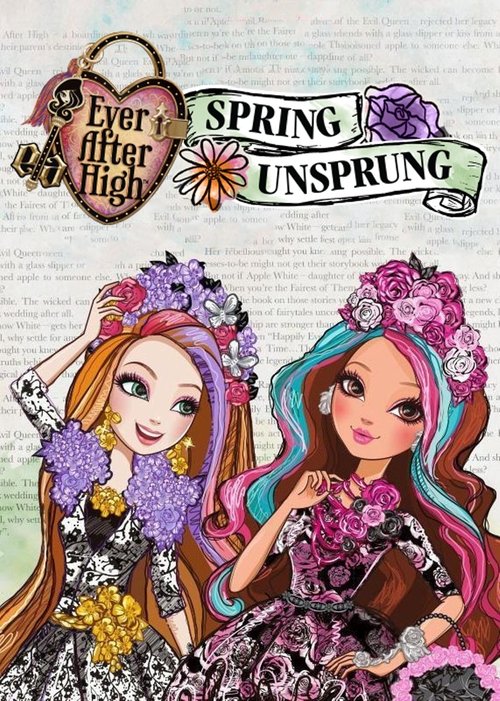
Ever After High: Spring Unsprung
2015
No user ratings available yet
Representation score: 8.4 out of 10
Representation Score
Good
2015
TV-GDirector
Mike Csunyoscka, Dan Fraga
Runtime
90 minutes
Average Rating
No ratings yetNew Showbiz Analysis
The film succeeds in subverting traditional gender hierarchies by placing ability to act firmly in the hands of its female protagonists. By centering the plot on their decisions and friendships, it avoids common clichés of female characters acting as secondary support to male leads. However, the work relies heavily on fantasy archetypes to represent diversity. Using magical lineages as proxies for 'otherness' is creative but creates a color-blind landscape that avoids addressing human racial or cultural complexities directly. Ultimately, the film is a mid-range progressive text. It excels at thematic explorations of autonomy and systemic challenge, even while remaining silent on explicit LGBTQ+ and disability representation.
Category Breakdown
The film lacks explicit LGBTQ+ characters or depictions of same-sex intimacy. There are no visible non-binary gender identities in this installment.
The narrative centers on female-led characters like Apple White and Raven Queen, who drive the plot through intellect and decisive action rather than serving as passive companions to male figures.
Diversity is expressed through non-human species representing 'otherness.' Characters like Madeline Hatter embody 'otherness' through fantastical lineages rather than traditional human racial markers.
The story challenges predetermined destinies by promoting individual ability to act over inherited social structures and rigid institutional authority.
There is no prominent depiction of visible or invisible disabilities. Surrealist character eccentricities are framed as whimsical quirks rather than meaningful representations of disability.
Present on Screen
Limited or Absent
Official Synopsis
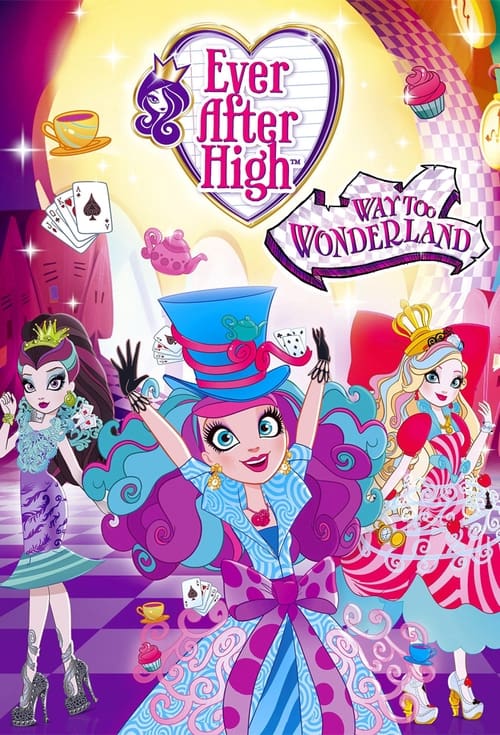
With the Storybook of Legends still in Wonderland, Raven attempts to teleport her friends there despite still getting the hand of her powers. Apple, Raven, Briar, Lizzie, Kitty and Maddie end up in Wonderland in just days away from the Queen of Heats' birthday, but they end up at Wonderland High where they meet the charming Red and White Knights. However the school is ruled by Courtly Jester who attempts to keep the girls from graduating Wonderland High for her devious plans against the Queen of Hearts.
2015
2006
2021
2016
2016

2013
No reviews yet. Be the first to share your thoughts on this movie!
Use the rating form above to leave a star rating and optional review.