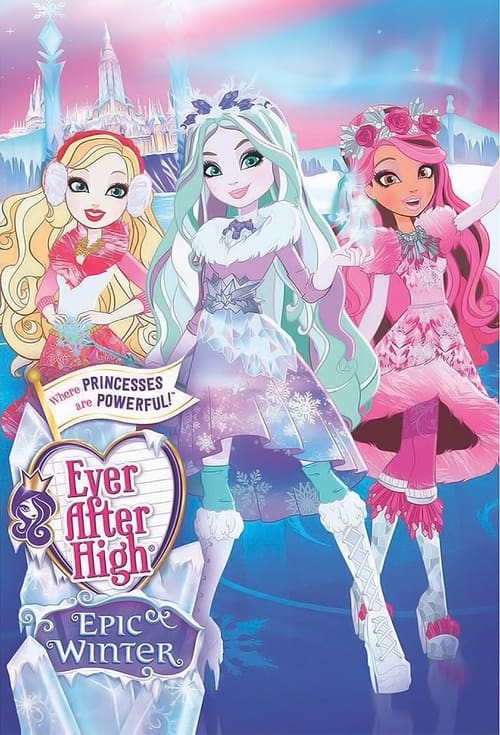
Ever After High: Epic Winter
2016
No user ratings available yet
Representation score: 8.2 out of 10
Representation Score
Excellent
2016
TV-GDirector
Harold Harris, Stuart Shankly, Dan Fraga
Runtime
96 minutes
Average Rating
No ratings yetNew Showbiz Analysis
Ever After High: Dragon Games excels at deconstructing classical fairy tale clichés, particularly through its progressive gender dynamics. By placing ability to act in the hands of young women, it rejects traditional archetypes in favor of self-actualization. The film's thematic core—the struggle against predetermined destiny—serves as a sophisticated metaphor for challenging systemic social hierarchies. This provides a layer of cultural depth that transcends simple fantasy adventure. However, the film lacks explicit representation for LGBTQ+ identities and disabilities. While it avoids derogatory clichés, the narrative remains focused on magical lineage rather than diverse lived experiences of identity or ability.
Category Breakdown
The story does not explicitly center on non-straight relationships or same-sex intimacy. While the franchise explores fluid social dynamics, the plot focuses on the rivalry and cooperation between Raven and Apple. The absence of specific LGBTQ+ identifiers keeps the score neutral.
The film challenges traditional gender roles by centering a female-led cast with full narrative ability to act. Characters avoid 'damsel in distress' clichés, instead using intellect and strength to navigate conflicts. Female autonomy and collaborative problem-solving drive the story forward.
Representation utilizes speculative diversity through various fantasy species and stylized aesthetics. These elements function as metaphors for diverse identities. The visual language moves away from homogeneous standards, offering a broad spectrum of representation within the magical setting.
The narrative challenges the concept of destiny, which serves as a metaphor for inherited social roles. By framing the 'written story' as something to be rewritten, the film promotes individual ability to act over systemic predestination and rigid institutional structures.
There is no prominent depiction of visible or invisible disabilities. Characters are defined primarily by their magical lineage and social standing. Without neurodivergent or physically disabled characters driving the plot, representation remains at a baseline level.
Present on Screen
Limited or Absent
Official Synopsis
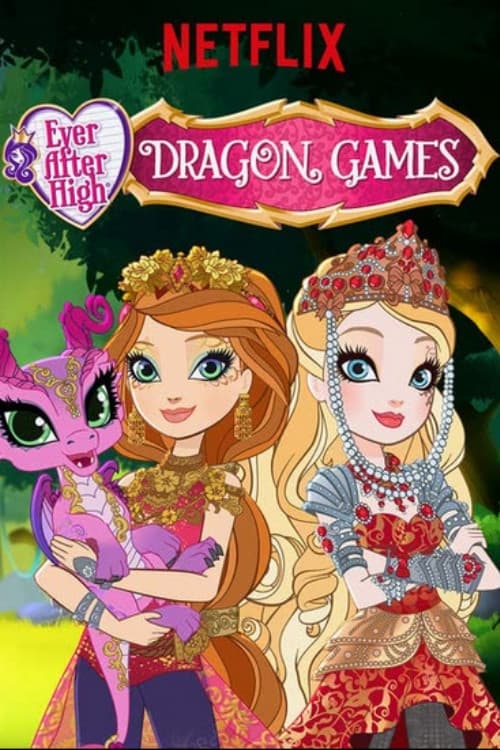
Dragons return to Ever After High, and so does the Evil Queen. When the most epic competition and evil scheme starts at Ever After High, Raven and Apple must let go of their story conflict and save their beloved school together.
2016
2006
2015

2014
2015

2013
2010

2024
No reviews yet. Be the first to share your thoughts on this movie!
Use the rating form above to leave a star rating and optional review.