Pinocchio
2002
No user ratings available yet
Representation score: 2.8 out of 10
Representation Score
Limited
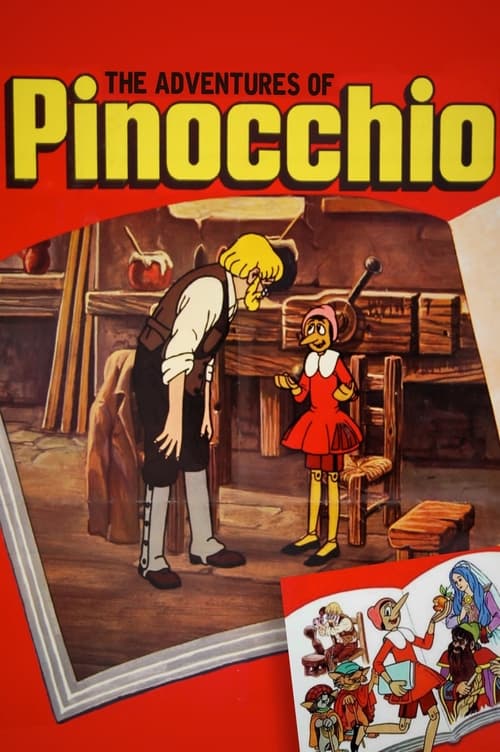
1972
GDirector
Giuliano Cenci
Runtime
93 minutes
Average Rating
No ratings yetNew Showbiz Analysis
Pinocchio (1972) is a traditional moral fable that emphasizes classical instruction and religious iconography. The narrative centers on the protagonist's journey from disobedience to social integration, reinforcing established social and familial hierarchies. The film's visual style is deeply rooted in Italian cultural and religious contexts. While it offers a subtle metaphorical exploration of physical difference through the protagonist's wooden nature, it lacks progressive representation or multi-layered complexity. Overall, the film upholds mid-century European storytelling conventions rather than challenging social norms.
Category Breakdown
The film does not include any LGBTQ+ characters or non-assuming gender matches what was assigned at birth identities. Relationships are based on traditional family structures.
Gender roles follow traditional hierarchies, with Geppetto serving as the main paternal figure and the Fairy with the Turquoise Hair as a maternal, divine presence.
The film reflects a homogeneous European setting typical of its Italian origins. It does not include diverse ethnic backgrounds.
The film emphasizes traditional Western and religious values, using imagery inspired by the Blessed Virgin Mary. It focuses on adhering to social norms and respecting parental authority.
There is no direct representation of physical or neurodivergent disabilities. However, Pinocchio’s wooden nature serves as a metaphor for bodily difference and being 'othered.'
Present on Screen
Limited or Absent
Official Synopsis
The film was directed by Giuliano Cenci with assistance from his brother Renzo. During production, Carlo Collodis grandchildren Mario and Antonio Lorenzini were consulted. The subtle movements made by fidgeting children whilst speaking or under scrutiny were incorporated into Pinocchios movements, particularly when he lies to the Fairy with the Turquoise Hair over the fate of his gold coins. For the design of the Fairy, Italian portrayals of the Blessed Virgin Mary in art were used as starting points.
2002
1940
2009

2019
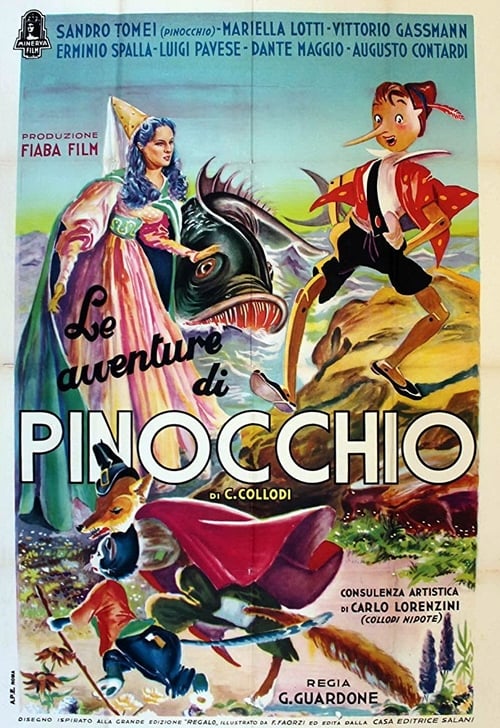
1947
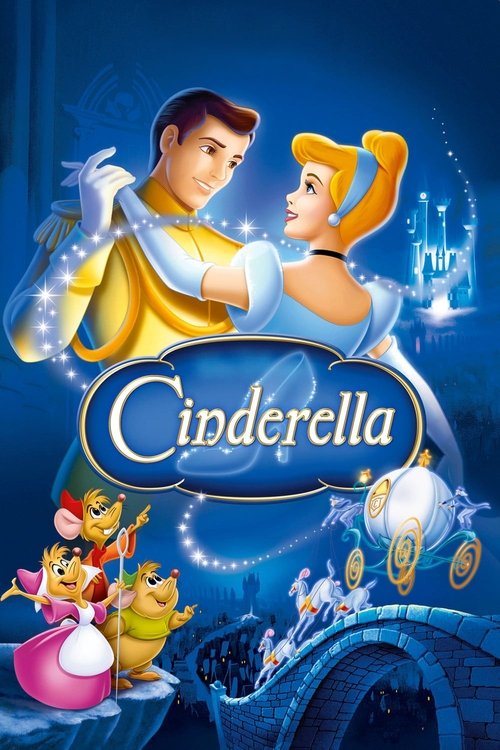
1950
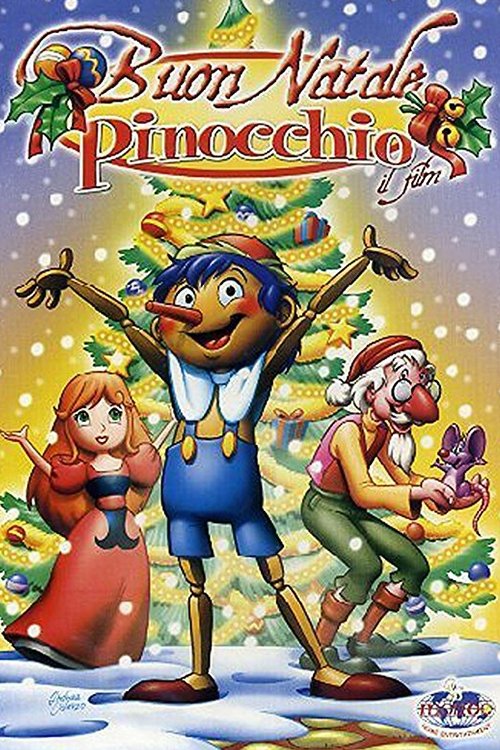
2006

2022
No reviews yet. Be the first to share your thoughts on this movie!
Use the rating form above to leave a star rating and optional review.