
Era d'estate
2016
No user ratings available yet
Representation score: 4.5 out of 10

Representation Score
Fair
2004
Director
Gianluca Maria Tavarelli
Runtime
180 minutes
Average Rating
No ratings yetNew Showbiz Analysis
A Judge of Honor is a specialized historical drama that prioritizes systemic critique over demographic breadth. It functions as a study of moral relativism within a corrupt system, pitting legal ability to act against the predatory hierarchy of the Mafia. The film's strength lies in its deconstruction of institutional corruption and the friction between individual morality and state failure. It frames the protagonist's struggle as a necessary disruption of a violent, traditionalist social order. However, the narrative lacks multi-layered casting or modern identity-driven storytelling, remaining anchored in the specific demographic and professional constraints of 1980s Italian judicial politics.
Category Breakdown
The film focuses on historical political and legal struggles but does not include any explicit queer narratives or non-cisgender identities.
The story centers on a male-dominated era of judicial investigations, exploring intellectual ability to act while maintaining a traditionally masculine-coded professional environment.
Set in 1980s Italy, the film reflects the demographic realities of that period, prioritizing regional Italian power dynamics over multicultural casting.
The film excels by critiquing systemic corruption and organized crime, portraying the struggle of judicial figures against destabilizing, shadow hierarchies and corrupt power structures.
There is no evidence regarding the portrayal of physical or neurodivergent disabilities in this historical drama.
Present on Screen
Limited or Absent
Official Synopsis
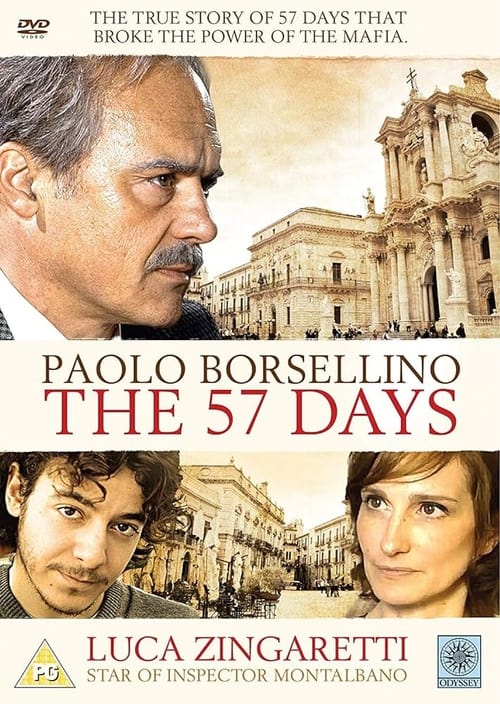
In 1980 Paolo Borsellino was appointed with the preliminary investigations and the task of setting up a team which would later become the famous anti-mafia pool, investigating into the criminal activities of various mafia bands, in particular the gang headed up by Totò Riina.
2016
1962

2008
2000

2018

1994
2025
2012
No reviews yet. Be the first to share your thoughts on this movie!
Use the rating form above to leave a star rating and optional review.