Medal of Honor
2008
No user ratings available yet
Representation score: 3.5 out of 10
Representation Score
Limited
2004
TV-MADirector
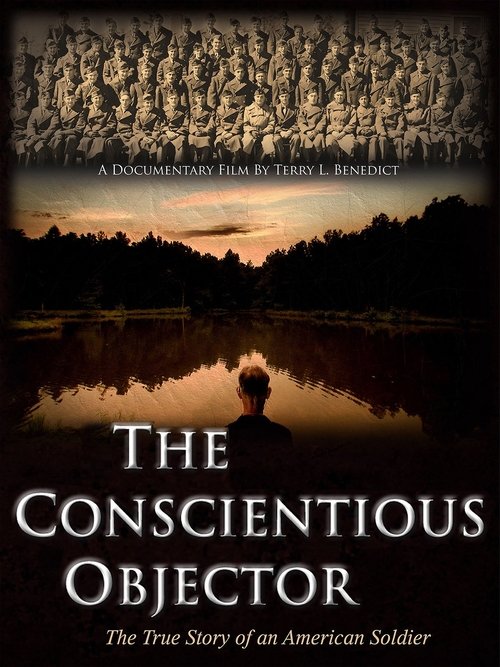
Terry Benedict
Runtime
101 minutes
Average Rating
No ratings yetNew Showbiz Analysis
The documentary functions as a traditional biographical account that reinforces established cultural pillars. It prioritizes individual merit, religious conviction, and nationalistic heroism over social deconstruction. While the film disrupts the 'violent soldier' cliché through Desmond Doss's pacifism, this subversion serves to bolster rather than challenge existing institutional hierarchies. The narrative architecture remains firmly rooted in mid-century social norms. Ultimately, the film's focus on a specific American hero within a historical military context limits its breadth of representation across gender, race, and identity.
Category Breakdown
The film does not include any LGBTQ+ characters or narratives. It focuses on a mid-century military setting that emphasizes traditional social structures.
The story centers on a male-dominated military environment. While the protagonist's pacifism challenges traditional masculine expectations, the overall narrative remains within a framework of traditional military heroism.
The narrative focuses on the American GI experience during the Battle of Okinawa. It emphasizes a white, Anglo-Saxon perspective typical of mid-century biographies.
The film celebrates patriotism and religious faith. It reinforces traditional Western institutional values rather than critiquing the military or organized religion.
The film explores vulnerability through a medic who operates outside the standard warrior archetype. His conscientious objection provides a unique lens on non-traditional roles.
Present on Screen
Limited or Absent
Official Synopsis
It's 1945, World War II. The Place, Okinawa. The Scene, an impregnable 400-foot high cliff-AKA Hacksaw Ridge. The Engagement, a battle so fierce the odds of survival were 1 in 10. The Act, Medic Pfc. Desmond T. Doss braved intense enemy fire to rescue 75 wounded GI's over the precipice. The Story, Infantrymen who once ridiculed and scoffed at Desmond's simple faith and refusal to carry a weapon-now owed their lives to him. Director Terry Benedict tells Desmond's incredible story through the eyes of the men who witnessed this humble man's heroic acts. Winning the respect of his fellow soldiers, they recommended him for the highest honor America can bestow on one of her sons-The Medal of Honor.
2008
2011
2017

1941
2013
2020
1997
2009
No reviews yet. Be the first to share your thoughts on this movie!
Use the rating form above to leave a star rating and optional review.