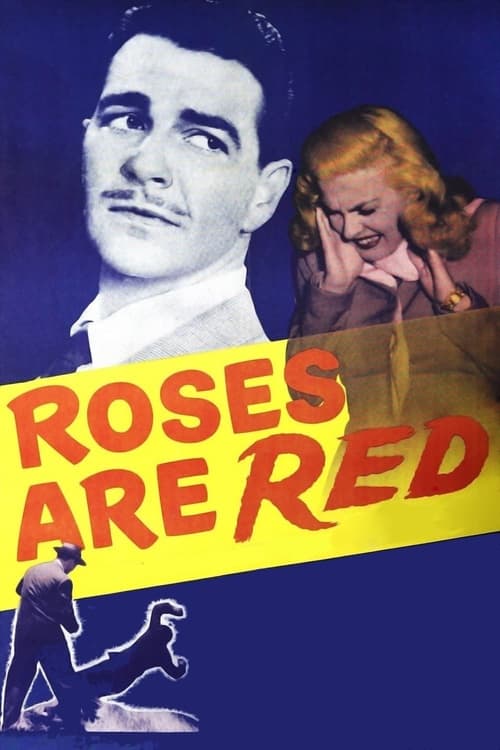
Roses Are Red
1947
No user ratings available yet
Representation score: 2.3 out of 10
Representation Score
Minimal
1936
ApprovedDirector
James Tinling
Runtime
59 minutes
Average Rating
No ratings yetNew Showbiz Analysis
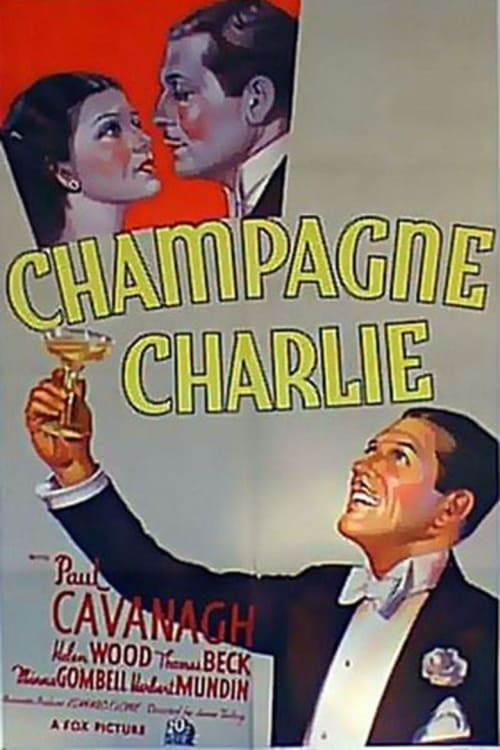
Champagne Charlie is a product of the 1930s studio system, reflecting the rigid social and moral hierarchies of that era. The narrative structure is centered around traditional power dynamics, especially concerning wealth and gender roles. The film leans heavily on conventional formulas, such as using a woman’s dowry to advance male economic goals. This results in a lack of ability to act for female characters and the absence of diverse casting or LGBTQ+ representation, aligning with the era's standard cinematic conventions. Ultimately, the film does not challenge or subvert established social norms, leading to a narrow and traditional portrayal of its characters and world.
Category Breakdown
The film does not include any characters with non-traditional gender identities. The story revolves around a marriage arranged for financial reasons, reinforcing traditional heterosexual norms.
The female lead plays a minor role in the plot, serving mainly as a financial asset for male characters. She is involved in negotiations but does not drive the story herself.
The cast is homogenous, reflecting the casting practices of 1930s Hollywood. There is no indication of a diverse cast or the challenging of Anglo-Saxon dominance.
The storyline focuses on individual criminal activities and gambling, adhering to the moral standards of the time without questioning Western institutions.
There is no mention of characters with visible or invisible disabilities in the film.
Present on Screen
Limited or Absent
Official Synopsis
The story is told in flashback. Backers want a gambler to marry a rich girl for her dowry.
1947
1949
1940
1937
1957
1931
1940
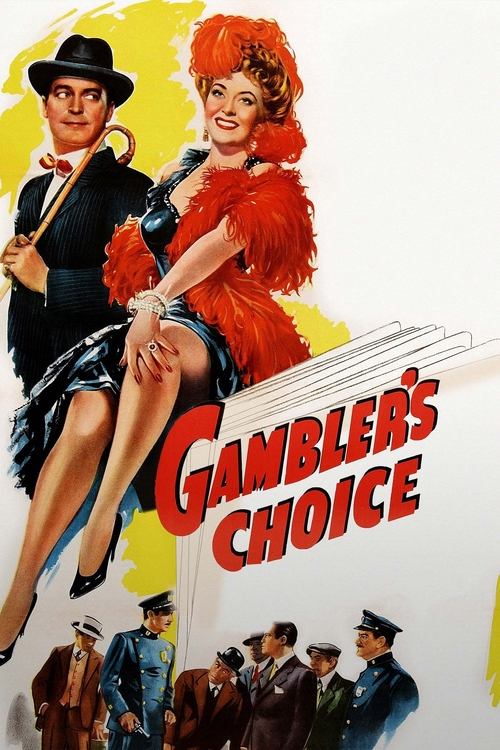
1944
No reviews yet. Be the first to share your thoughts on this movie!
Use the rating form above to leave a star rating and optional review.