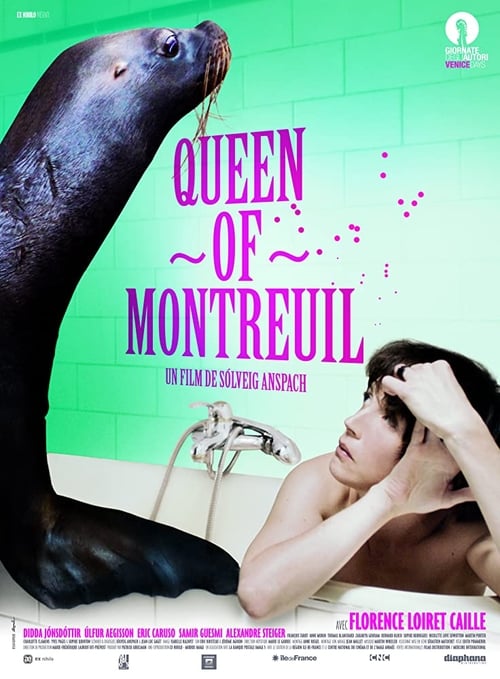
Queen of Montreuil
2012
No user ratings available yet
Diversity score: 4.4 out of 10

2018
Director
Jiří Vejdělek
Runtime
86 minutes
Average Rating
No ratings yetSynopsis
Unexpectedly widowed costume designer Eva discovers a child's drawing that sends her and her daughter on a road trip to uncover a family secret.
Overall Score
Limited
Category Breakdown
LGBTQ+ Representation
The film lacks explicit evidence of non-cisnormative identities or same-sex intimacy. The story focuses primarily on maternal bonds and familial discovery.
Gender Representation
Eva, a costume designer, serves as a central female protagonist navigating widowhood and solo parenthood. She demonstrates agency through her leadership during the road trip.
Racial & Ethnic Diversity
The production likely reflects the demographic homogeneity of its Czech setting. There is no indication of a diverse or non-Anglo-Saxon majority cast.
Religious & Cultural Diversity
The narrative engages with traditional themes of grief, heritage, and family secrets. It leans toward sentimentalism rather than critiques of religion or Western institutions.
Disability Representation
There is no information available regarding characters with visible or invisible disabilities. No such representation is present in the verified context.
Strengths
Areas for Improvement
AI Analysis
Tátova volha is a localized character study that follows a traditional trajectory of emotional reconciliation. While the film centers on a female lead, it operates within conventional dramatic structures rather than seeking to disrupt social hierarchies. The narrative focuses on personal history and domesticity. It lacks the systemic indicators of intersectional complexity or the deliberate inclusion of diverse racial and LGBTQ+ identities required for a higher progressive score. Ultimately, the film functions as a conventional domestic drama rooted in its specific regional and cultural context.
2012
2016

2016
2004

2019

2017

2011
2019

2019

2025
2016
2022
No reviews yet. Be the first to share your thoughts on this movie!
Use the rating form above to leave a star rating and optional review.