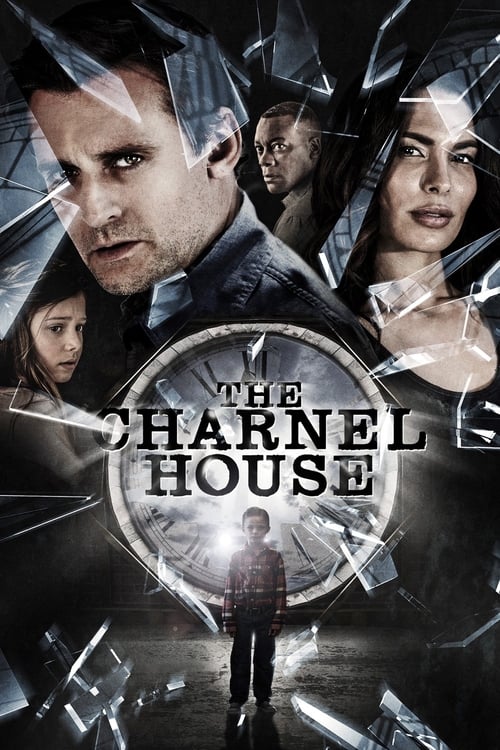
The Charnel House
2016
No user ratings available yet
Representation score: 1.8 out of 10

Representation Score
Minimal
2017
TV-MADirector
Dena Hysell-Cornejo
Runtime
80 minutes
Average Rating
No ratings yetNew Showbiz Analysis
Ascent to Hell is primarily a localized horror film that emphasizes atmospheric dread and site-specific mystery. The plot revolves around a group of investors facing a sinister history within a New York factory, which leans heavily on established genre clichés. The film lacks meaningful character arcs that delve into diverse human experiences or systemic critiques. Instead, it maintains a traditional, non-progressive narrative structure focused on environmental tension. The result is a low diversity profile.
Category Breakdown
The film does not include any characters with non-binary or transgender identities, nor does it depict any same-sex relationships or dynamics.
The film includes prominent female characters like Azura Skye, but the overall structure adheres to traditional gender roles and leadership dynamics.
The cast and setting are predominantly Anglo-Saxon, with no evident effort to include diverse racial backgrounds or multi-layered stories.
The storyline incorporates a historical tragedy set in a New York factory, but it does not critique or explore broader social structures or traditional Western institutions.
The film does not feature any characters with visible or invisible disabilities, nor does it address neurodivergence or chronic illness.
Present on Screen
Limited or Absent
Official Synopsis
When a realtor shows an old New York factory building to a group of would-be investors, they are unwittingly caught in its tragic and sinister history.
2016

1981
2015
2017
2015
2002
2018

2021
No reviews yet. Be the first to share your thoughts on this movie!
Use the rating form above to leave a star rating and optional review.