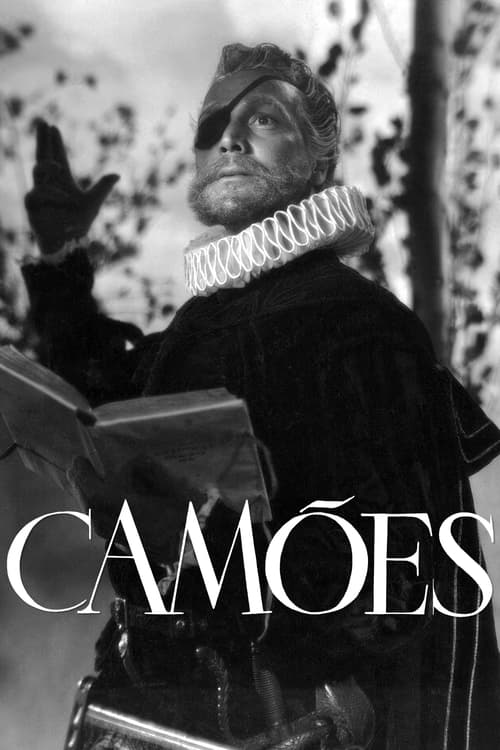
Camões
1946
No user ratings available yet
Representation score: 0.8 out of 10
Representation Score
Limited
1937
Director
Humberto Mauro
Runtime
62 minutes
Average Rating
No ratings yetNew Showbiz Analysis
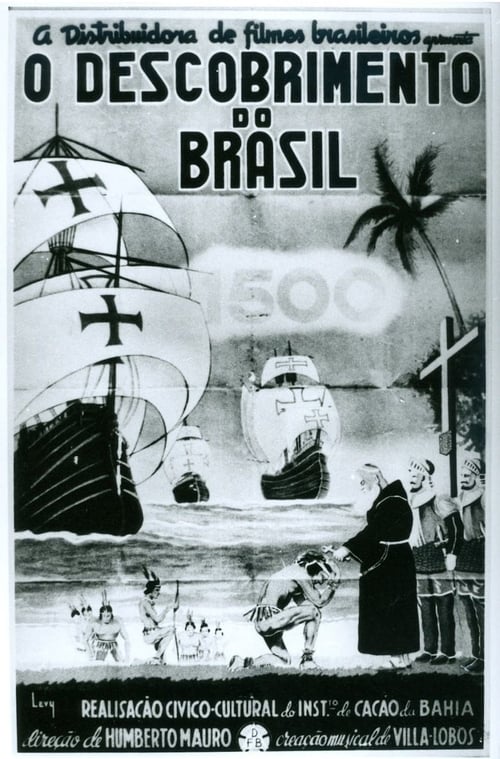
Humberto Mauro’s historical epic successfully presents a diverse cast that reflects the ethnic composition of the Brazilian frontier. Including Pardo, Black, and White characters adds a richer layer compared to many Western colonial narratives of the same period. However, the film adheres closely to the social norms of the 1930s, reinforcing traditional gender roles and lacking any representation of non-straight-centered identities or characters with disabilities.
Category Breakdown
The film does not include any LGBTQ+ characters or expressions that go beyond the assumption that everyone is straight or cisgender. It focuses solely on the historical voyage without any queer subtext.
Women in the film are mostly confined to domestic roles or serve as catalysts for male desire. There are no instances of women taking a leading role or challenging patriarchal structures.
The film features a mix of Pardo, Black, and White characters, providing a nuanced view of the colonial encounter that avoids a purely Eurocentric perspective.
The story examines the corrupting influence of wealth through a traditional moral framework. Religious institutions are shown as stabilizers during a time of communal instability.
The film does not feature any characters with visible or invisible disabilities. There are no plot devices involving characters with disabilities.
Present on Screen
Limited or Absent
Official Synopsis
O Descobrimento do Brasil (The Discovery of Brazil) is an impressive historical epic recreating Álvares Cabral’s voyage to the New World in 1500, with a score especially written by the renowned composer, Heitor Villa-Lobos. One of the earliest examples of Brazilian cinema, this film depicts the perilous journey of Pedro Álvares Cabral’s armada from Portugal to Brazil. Though somewhat rudimentary compared to other films of the period, The Discovery of Brazil distinguishes itself with its scenes of indigenous people and Portuguese explorers on the beach, and in the imaginative lighting on board the ship. But the real star is the beautiful cantata by Villa-Lobos that permeates the film.
1946

1944

2017

1954
2012
1972

1904
1992
No reviews yet. Be the first to share your thoughts on this movie!
Use the rating form above to leave a star rating and optional review.