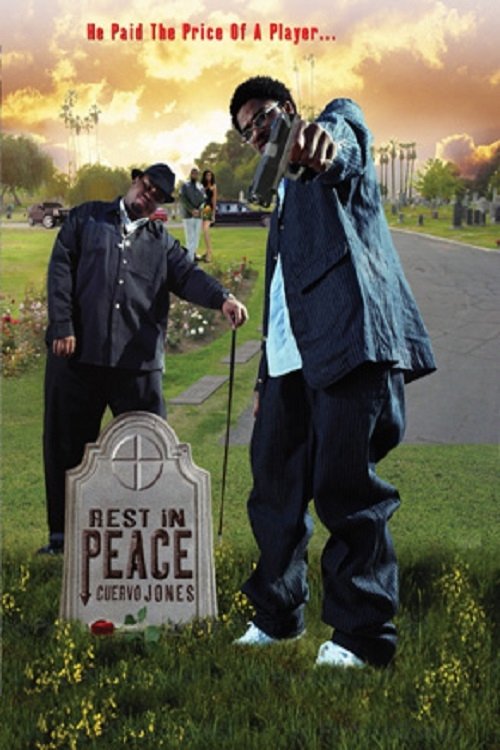
Rest in Peace, Cuervo Jones
2002
No user ratings available yet
Representation score: 3.7 out of 10
No Poster Available
Representation Score
Limited
2003
RDirector
Brandon David
Runtime
83 minutes
Average Rating
No ratings yetNew Showbiz Analysis
King Midas operates as a conventional crime drama centered on individual ambition and the drug trade. The narrative structure prioritizes the protagonist's pursuit of capital and legitimacy through criminal enterprise. While the connection to hip-hop culture implies a degree of racial and cultural specificity, the film does not use these elements to challenge social hierarchies. It remains within the bounds of standard genre storytelling. Ultimately, the work lacks the complexity needed for characters who reflect more than one aspect of diversity, focusing on personal ability to act within a criminal framework rather than exploring nuanced identities or systemic critiques.
Category Breakdown
The film does not include any visible LGBTQ+ characters or stories about non-cisgender identities. The plot focuses solely on the mechanics of the crime genre.
The story centers around a male-dominated hierarchy within criminal and hip-hop subcultures. There is a noticeable lack of female presence and influence in the plot.
The involvement of hip-hop culture suggests a setting with urban, non-Anglo-Saxon influences. However, specific casting details are not provided to confirm systemic inclusion.
The film explores wealth pursuit through non-traditional means, which may operate outside standard Western moral frameworks. It largely follows established drug culture clichés.
There is no indication of characters with physical or invisible disabilities. No neurodivergent or impaired character arcs are present in the narrative.
Present on Screen
Limited or Absent
Official Synopsis
Tommy Gold makes a living out of dealing drugs. One day he gets caught carrying cocaine. He is sentenced to ten years in prison, but gets released after two years. In prison Tommy had plenty of time to think things over and as soon as he is released, he wants to return to his old job. Since he doesn't have any money, he pays a visit to Uncle Murphy, a loan shark. With his newly found fortune, things are seemingly going very well for Tommy. He's becoming more famous by the day, but still it's not enough. Tommy wants even more. He decides to buy a studio for his hip hop musician friend Chief, which Tommy can use to make his business look more legit.
2002

2012
2004
2002
2002
1972

2010

2012
No reviews yet. Be the first to share your thoughts on this movie!
Use the rating form above to leave a star rating and optional review.