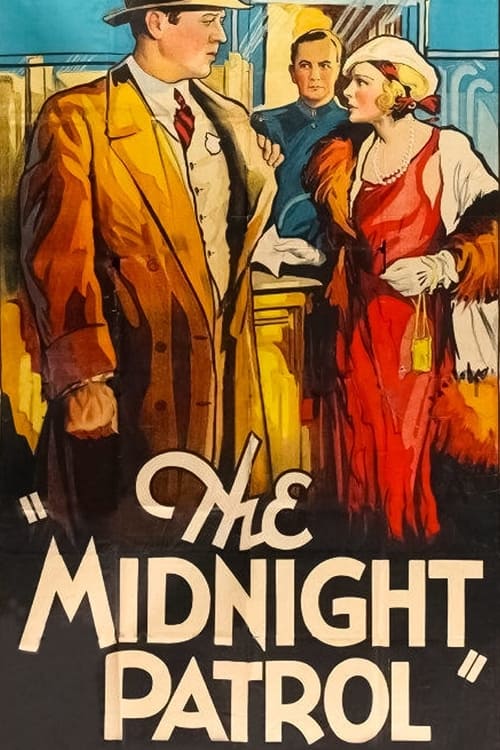
The Midnight Patrol
1932
No user ratings available yet
Representation score: 0.8 out of 10

Representation Score
Limited
1939
NRDirector
William C. McGann
Runtime
71 minutes
Average Rating
No ratings yetNew Showbiz Analysis
Blackwell's Island is a conventional 1939 crime drama that follows standard genre clichés of the era. The story focuses on an undercover reporter navigating criminal environments, prioritizing plot over social subversion. The film functions as a product of its historical period, adhering to established social hierarchies. It lacks intentionality regarding the representation of identity or the disruption of systemic power dynamics. Overall, the production maintains the status quo of the studio era, offering a traditional narrative that avoids exploring diverse perspectives or underrepresented identities.
Category Breakdown
The film does not depict any non-straight relationships or same-sex intimacy. It adheres to the strict production codes of the 1930s, resulting in an absence of queer subtext.
The narrative is driven by a male protagonist, with female characters likely relegated to supporting roles. There is no evidence of challenging traditional gender hierarchies or showcasing female intellect.
The production reflects the homogeneous casting standards of 1939. The story appears centered on a traditional Anglo-centric perspective without diverse or color-blind casting.
The plot reinforces Western values of justice and institutional order through its focus on law enforcement and journalism. It lacks critiques of Western institutions or moral relativism.
There is no evidence of characters with disabilities being portrayed with ability to act. Disability is absent as a central theme, consistent with 1930s crime cinema.
Present on Screen
Limited or Absent
Official Synopsis
A reporter gets himself sent to prison to expose a mobster.
1932
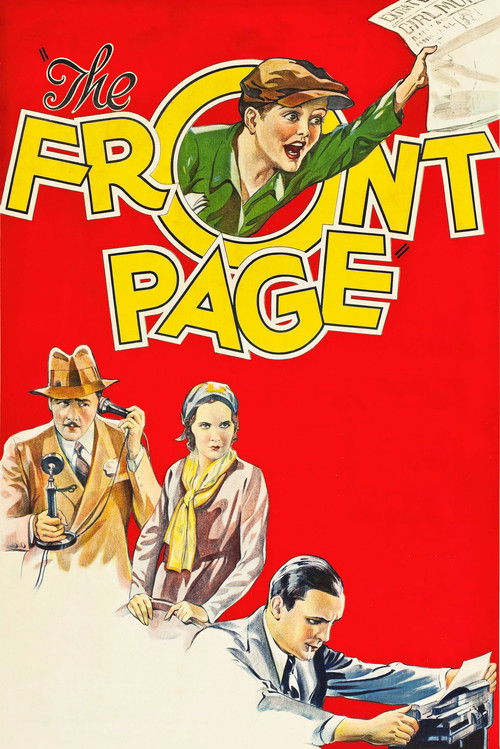
1931

1933
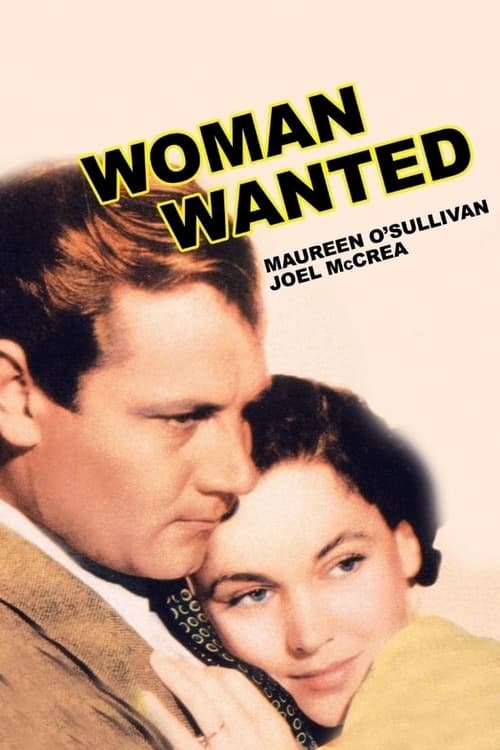
1935
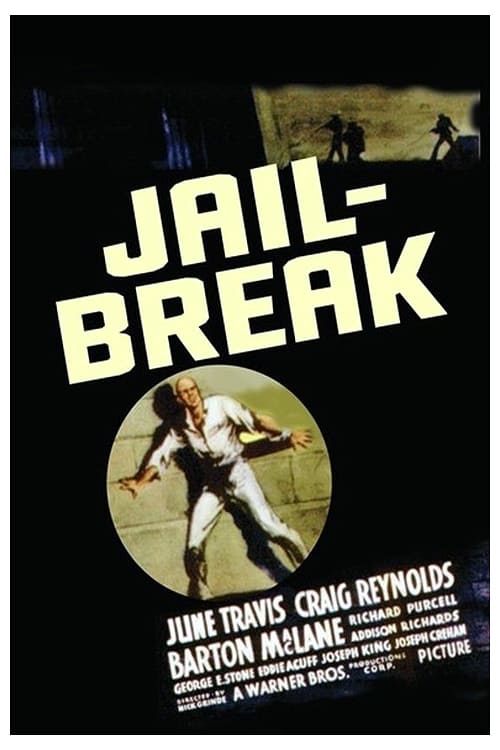
1936
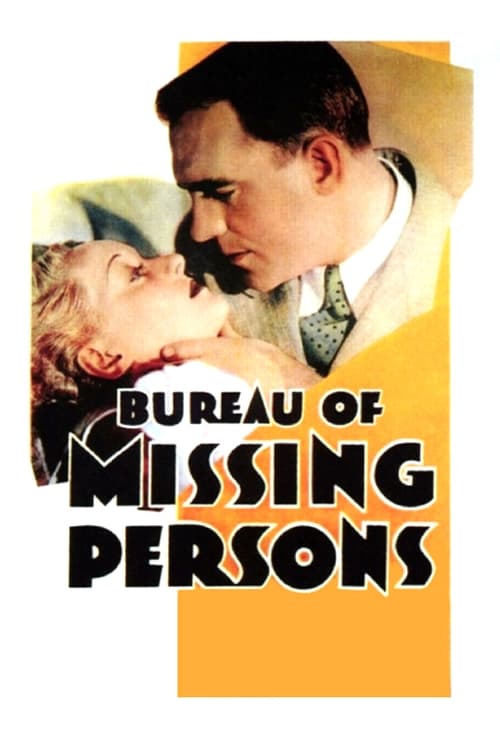
1933
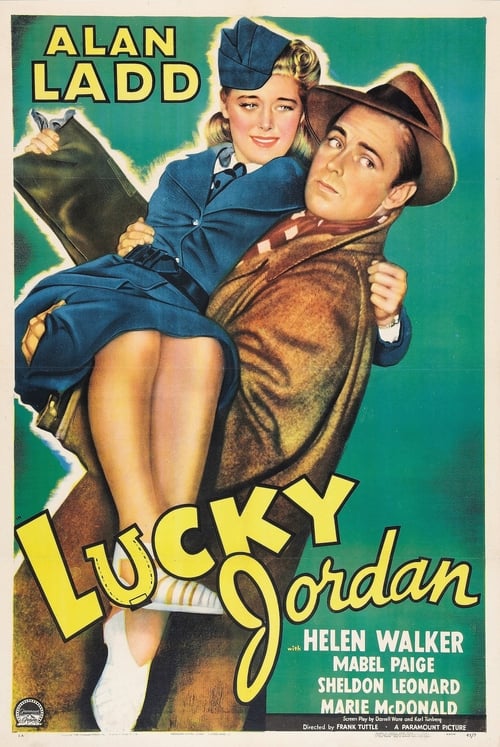
1942
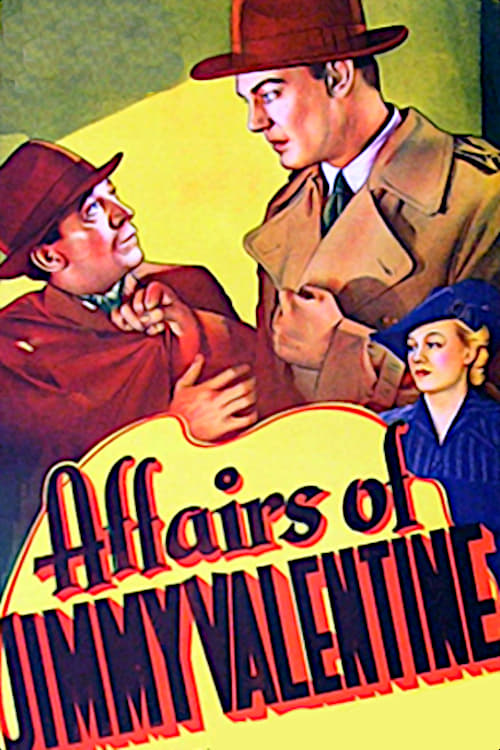
1942
No reviews yet. Be the first to share your thoughts on this movie!
Use the rating form above to leave a star rating and optional review.