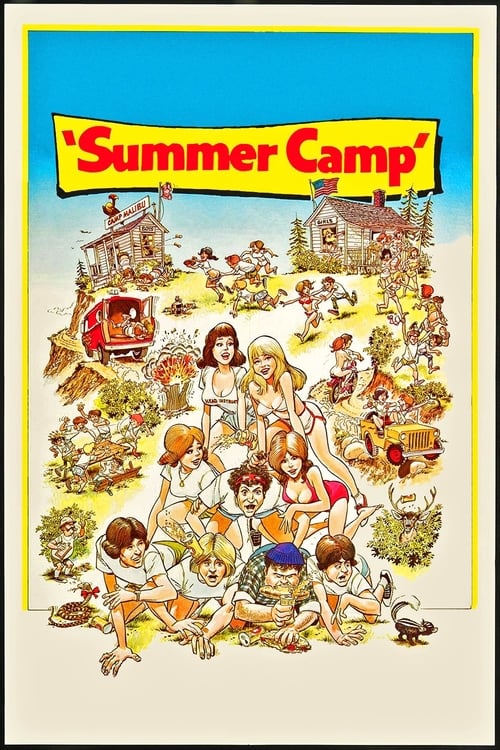
Summer Camp
1979
No user ratings available yet
Representation score: 3.2 out of 10
Representation Score
Fair
1987
RDirector
Gary Graver
Runtime
96 minutes
Average Rating
No ratings yetNew Showbiz Analysis
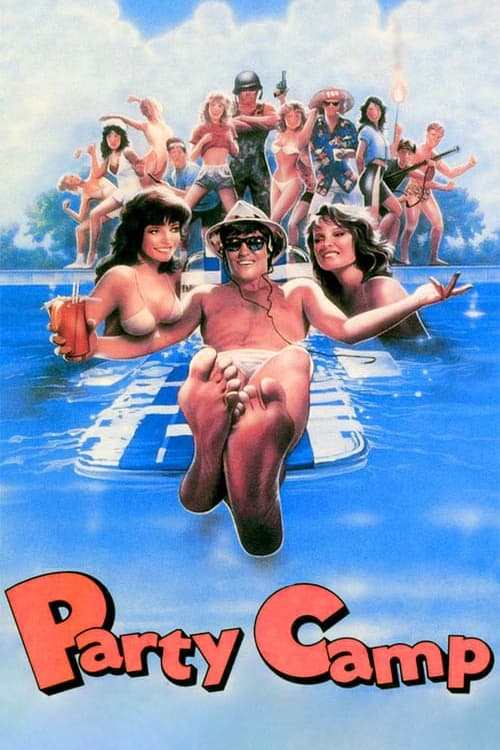
Party Camp primarily serves as a critique of institutional discipline. Its strength lies in its anti-authoritarian narrative, which contrasts social indulgence with a rigid, military-style camp structure. However, the film lacks meaningful diversity. It does not provide clear representation for racial, ethnic, or LGBTQ+ identities, reflecting the demographic norms of its era. Ultimately, while the film offers a critique of authority, it remains a narrow demographic experience that lacks varied character perspectives.
Category Breakdown
The film does not explicitly feature LGBTQ+ characters or non-straight relationships. Although the party setting suggests flexible social interactions, there is no confirmed inclusive representation.
The story challenges traditional male dominance by breaking down a strict military hierarchy. However, the specific roles and influence of female characters are not clearly defined.
The film seems to follow typical casting practices of the 1980s, with no indication of a diverse or non-Anglo-Saxon cast. There is no evidence of intentional multi-layered casting.
The story effectively critiques rigid institutionalism and disciplined authority, emphasizing individual freedom and hedonism over military-like social structures.
There is no information available regarding the portrayal of physical or neurodivergent characters in this film.
Present on Screen
Limited or Absent
Official Synopsis
A teenage boy takes a job as a counselor at a summer camp. He finds that the camp is run like a military training camp, and he resolves to turn it into Party Central.
1979
1980
1980
1979
1988

1987

1980

1981
No reviews yet. Be the first to share your thoughts on this movie!
Use the rating form above to leave a star rating and optional review.