Corman's World
2011
No user ratings available yet
Representation score: 5.3 out of 10
Representation Score
Fair
2004
Director
Gary Leva
Runtime
64 minutes
Average Rating
No ratings yetNew Showbiz Analysis
This documentary serves as a historical chronicle of American Zoetrope's rise, which inherently places it within the demographic constraints of its era. While the studio's mission was radical and anti-establishment, the film's subject matter is tied to a period of significant industry imbalance. The work finds its strength in its institutional critique, documenting a movement that challenged the traditional Hollywood studio system. However, this focus on historical industry mechanics limits its ability to showcase diverse identities. Ultimately, the film reflects the tension between a progressive, disruptive creative mission and the lack of racial and gender diversity prevalent in the mid-century filmmaking landscape.
Category Breakdown
The documentary does not explicitly depict LGBTQ+ identities or stories that challenge the assumption that everyone is straight or cisgender. Although the studio's avant-garde style may align with queer aesthetics, there are no specific character arcs that focus on LGBTQ+ experiences.
The film centers on a male-led studio during an era marked by significant gender imbalance. It likely acknowledges women's professional contributions without fully challenging traditional masculine leadership models.
Representation likely mirrors the demographic realities of the mid-century film industry. The narrative focuses on a predominantly white, male-dominated creative class typical of that period.
The film excels by exploring the tension between artistic integrity and corporate Hollywood structures. It highlights an anti-establishment movement that prioritized creative autonomy over centralized power.
There is no documented evidence of a focus on visible or invisible disabilities within this historical chronicle.
Present on Screen
Limited or Absent
Official Synopsis
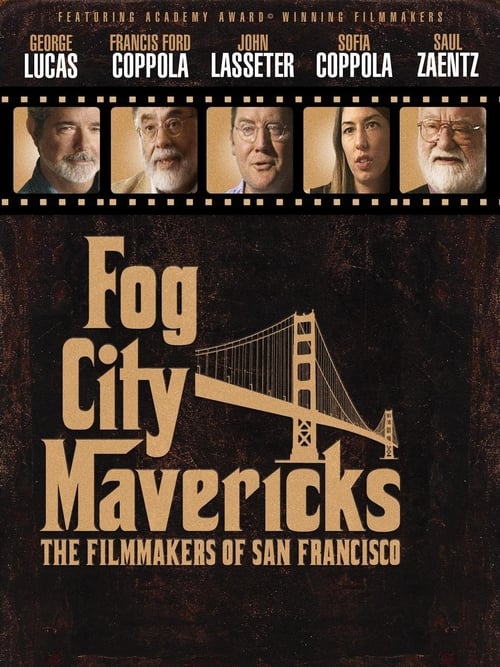
A fascinating chronicle of the birth and rise of the radically different independent studio founded by director Francis Ford Coppola.
2011
1995
1968
2017
2007

2007
1985
2025
No reviews yet. Be the first to share your thoughts on this movie!
Use the rating form above to leave a star rating and optional review.