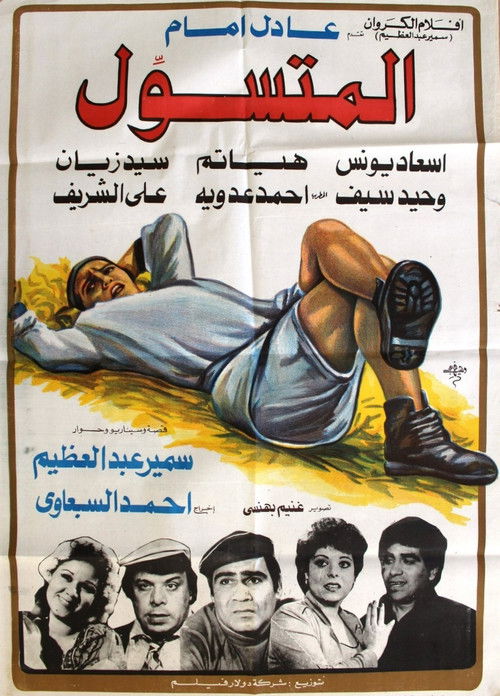
The Beggar
1983
No user ratings available yet
Representation score: 4.9 out of 10
Representation Score
Fair
1984
Director
Ahmed Yehia
Runtime
115 minutes
Average Rating
No ratings yetNew Showbiz Analysis
Ahmed Yehia’s film is a harsh social critique that dismantles the traditional hero's journey. Instead of a triumph of virtue, the story delves into how systemic inequality and economic hardship can erode individual morality. The film effectively uses personal tragedy to highlight the failures of institutional support and the class-based indifference within society. It offers a biting critique of capitalist structures and class-based oppression. However, the representation is limited by traditional clichés. The narrative lacks LGBTQ+ visibility and focuses primarily on a male-centric perspective, often using illness as a plot device rather than a character study.
Category Breakdown
The film does not include any characters or stories related to LGBTQ+ identities or non-assuming gender matches what was assigned at birth experiences. It focuses solely on the protagonist's socioeconomic struggles.
The story revolves around a male protagonist's descent into cynicism. His mother, a key figure, is portrayed through traditional dramatic clichés emphasizing her vulnerability.
As an Egyptian production, the film showcases local representations of class-based identity. It highlights the tension between working-class students and the wealthy elite.
The narrative provides a strong critique of capitalist structures and class-based oppression. It portrays the social contract as a failed construct through a socio-politically aware lens.
Illness serves as a primary narrative driver through the mother's medical condition. However, the character has little control over what happens to them, functioning mainly as a catalyst for the protagonist's journey.
Present on Screen
Limited or Absent
Official Synopsis
Fahmi Abdul Hadi .. A distinguished student of law school .. His dreams are simple and his actions are ideal and pure .. Fahmi collides with the bitter reality of life when losing his mother because he cannot afford the price of her treatment. At a time, He watches his colleagues around him spend money like water and making fun of his poverty and even refuse to help him to treat his mother. Fahmi decides to abandon the idealism and take revenge of all who failed him.
1983

1981
1983

1958
2010
1985
1991
1979
No reviews yet. Be the first to share your thoughts on this movie!
Use the rating form above to leave a star rating and optional review.