
Ghost in the Shell
1995
No user ratings available yet
Representation score: 8.4 out of 10

Representation Score
Excellent
2001
18+Director
Shinichiro Watanabe
Runtime
115 minutes
Average Rating
No ratings yetNew Showbiz Analysis
Cowboy Bebop: The Movie stands out for its sophisticated, multicultural world that challenges traditional Western moral absolutes. It excels in using a diverse cast to explore morally ambiguous territory. However, the film's focus on existential themes leaves little room for explicit identity-driven politics. While it questions social hierarchies, it lacks specific representation for LGBTQ+ identities and formal disability narratives. Ultimately, the film is a masterful example of postmodern storytelling, using a diverse cast to explore complex, morally ambiguous territory rather than relying on surface-level clichés.
Category Breakdown
The film doesn't prominently feature LGBTQ+ narratives or explicit same-sex relationships. Edward's behavior shows some gender ambiguity, but it isn't presented as a central queer identity.
Faye Valentine challenges traditional gender roles by playing a key role in driving the story. The crew members avoid typical domestic gender roles, focusing instead on professional independence and shared detachment.
The cast includes characters from various backgrounds, such as Japanese, African-American, and Western. This creates a seamless, integrated mix within a colonized solar system.
The story critiques systemic corruption and capitalist structures by showing an indifferent government authority. It embraces moral relativism, making it hard to distinguish heroes from villains.
None of the characters are defined by physical or neurodivergent disabilities. However, the film explores psychological trauma and fragmented memory as existential conditions.
Present on Screen
Limited or Absent
Official Synopsis
The year is 2071. Following a terrorist bombing, a deadly virus is released on the populace of Mars and the government has issued the largest bounty in history, for the capture of whoever is behind it. The bounty hunter crew of the spaceship Bebop; Spike, Faye, Jet and Ed, take the case with hopes of cashing in the bounty. However, the mystery surrounding the man responsible, Vincent, goes deeper than they ever imagined, and they aren't the only ones hunting him.
1995

2010
2002
2013
2015
2014
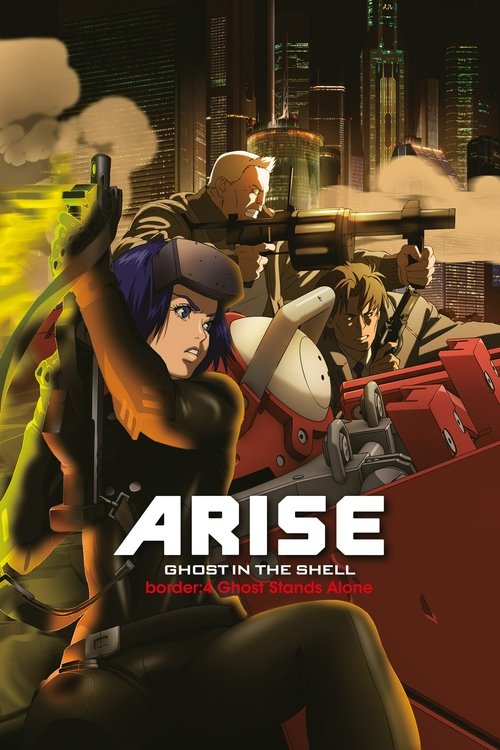
2014
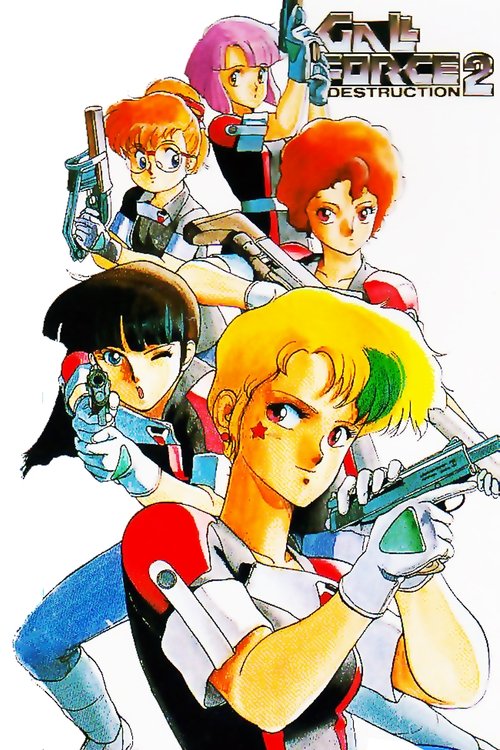
1987
No reviews yet. Be the first to share your thoughts on this movie!
Use the rating form above to leave a star rating and optional review.