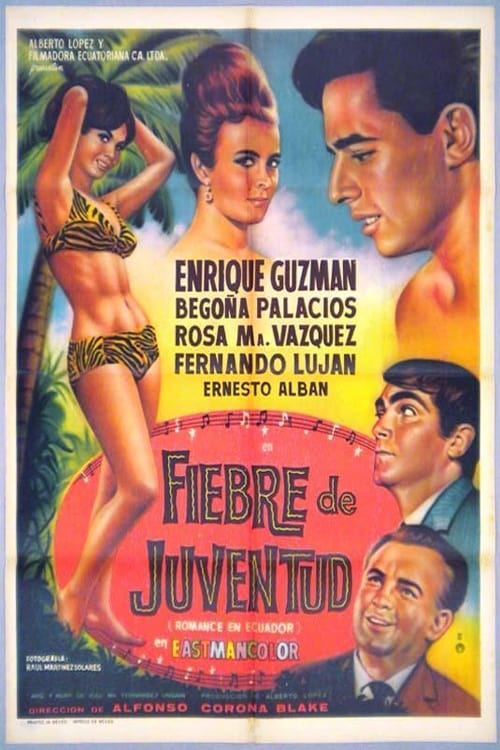
Fiebre de juventud
1966
No user ratings available yet
Representation score: 3.0 out of 10

Representation Score
Fair
1969
Director
Iván Zulueta
Runtime
90 minutes
Average Rating
No ratings yetNew Showbiz Analysis
Iván Zulueta’s work stands out as a subversive piece of experimental cinema that challenges the status quo of 1960s Spain. By focusing on a counter-cultural musician collective, the film effectively dismantles nationalistic identity and traditional social hierarchies. However, the film is limited by the demographic realities of its setting. The lack of racial diversity reflects the era's homogeneity, and the absence of disability representation leaves a gap in its inclusive scope. Ultimately, the film's strength lies in its postmodernist aesthetics and its portrayal of social alienation, which serves as a powerful rejection of the era's prescribed moral duties.
Category Breakdown
The film focuses on Madrid's bohemian underground, showcasing fluid social dynamics that challenge traditional heterosexual norms. It emphasizes existential alienation over conventional romantic relationships.
Characters reject traditional gender roles, embracing aimless, individualistic lifestyles that defy the era's established social hierarchies.
The narrative reflects the demographic homogeneity of late Francoist Spain. It focuses on a localized, culturally specific struggle within the urban middle-class and bohemian circles.
The story critiques Western institutions by ridiculing nationalistic symbols and state-sanctioned authority. It highlights youth rebellion over institutionalized morality.
There is no significant evidence regarding the portrayal of visible or invisible disabilities within the film.
Present on Screen
Limited or Absent
Official Synopsis
A band of young musicians will do the impossible to boycott a song they didn't like that's supposed to represent Spain in a famous musical contest.
1966
1978
1993
1964
1978
2001

1966

2012
No reviews yet. Be the first to share your thoughts on this movie!
Use the rating form above to leave a star rating and optional review.