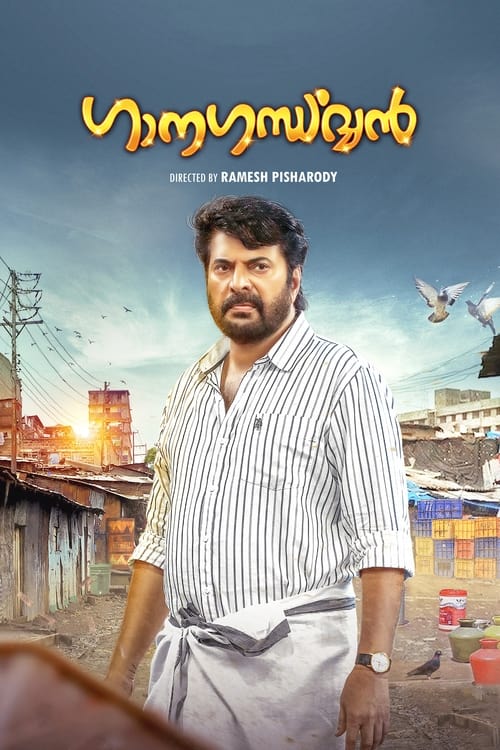
Ganagandharvan
2019
No user ratings available yet
Representation score: 5.0 out of 10
Representation Score
Fair
2012
Director
Sandhya Mohan
Runtime
169 minutes
Average Rating
No ratings yetNew Showbiz Analysis
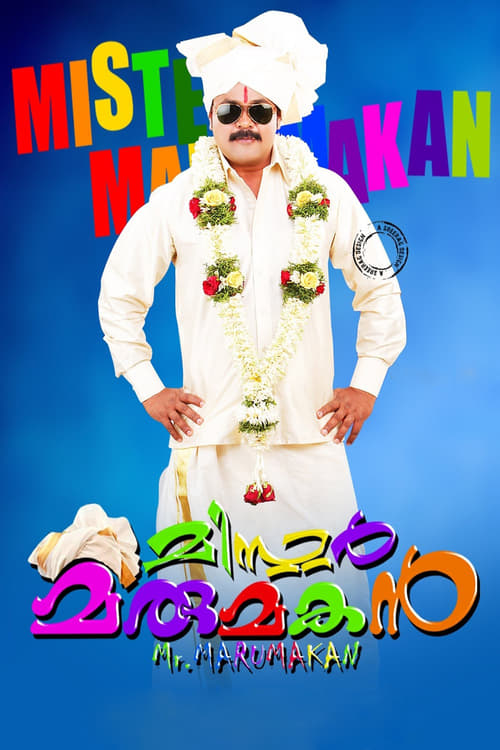
Mr. Marumakan examines gendered independence, focusing on a trio of women striving for autonomy. A male lawyer's arrival serves as a catalyst to challenge their established status. While the film offers a progressive perspective on female independence, it operates within a traditional societal context. The absence of LGBTQ+ identities or characters with disabilities limits its multi-layered depth. Ultimately, the film moderately supports women's independence and disrupts traditional domestic roles.
Category Breakdown
The film does not explicitly show non-straight or non-cisgender identities or same-sex relationships. The story focuses on interactions between three women and a male character.
The movie highlights three women who assert their independence from men. This setup challenges traditional family structures and explores women's ability to act independently.
As a Malayalam-language film, it represents South Indian culture. However, there is no indication of diverse racial blending or challenging ethnic stereotypes.
The film questions the role of men in the household. It is unclear whether the film promotes a secular lifestyle or upholds traditional community bonds.
There is no mention of characters with visible or invisible disabilities in the documentation.
Present on Screen
Limited or Absent
Official Synopsis
Three women believe they can survive without the help of a man, but the arrival of Ashok Raj, a lawyer trained drama director, into their lives forces them to revise their opinions.
2019

2017
2005

2008
2022
2014

2017
2015
No reviews yet. Be the first to share your thoughts on this movie!
Use the rating form above to leave a star rating and optional review.