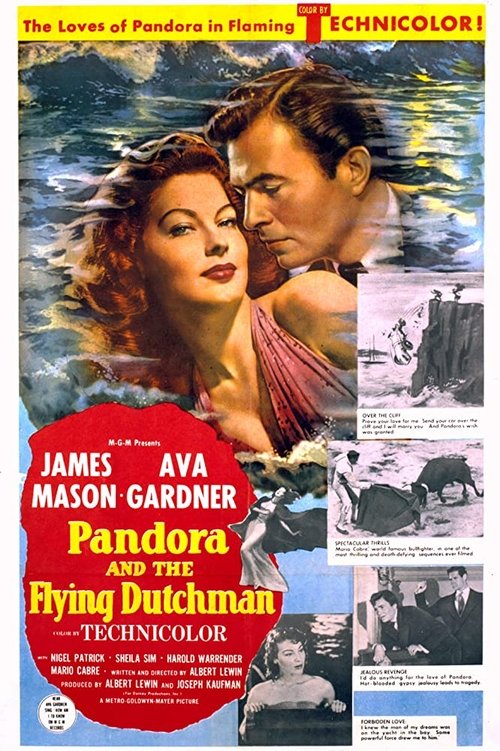
Pandora and the Flying Dutchman
1951
No user ratings available yet
Representation score: 0.6 out of 10
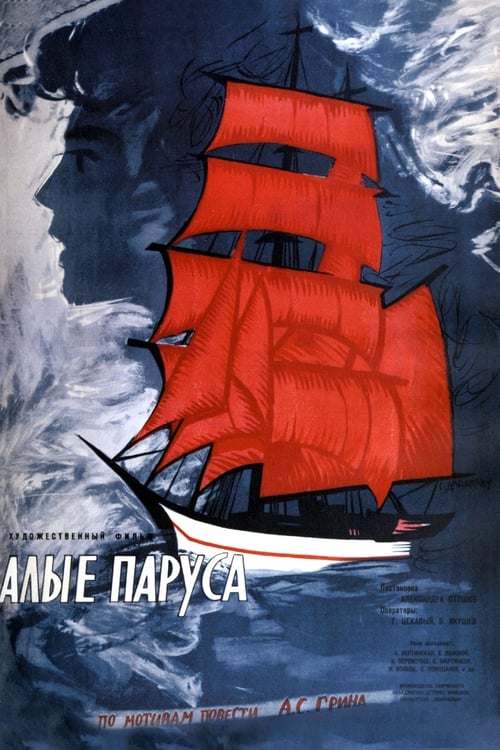
Representation Score
Limited
1961
Director
Aleksandr Ptushko
Runtime
88 minutes
Average Rating
No ratings yetNew Showbiz Analysis
Scarlet Sails is a mid-century romantic fantasy that relies on traditional storytelling and clichés. The narrative centers on a singular prophecy that upholds conventional relationship structures and gender roles. The film features an ethnically homogeneous cast and lacks representation of non-assuming gender matches what was assigned at birth identities. It presents a lyrical exploration of destiny rather than a critique of social hierarchies. Overall, the film adheres to the demographic norms of its time, focusing on the fulfillment of a personal miracle through masculine ability to act and romantic idealism.
Category Breakdown
The film follows a traditional romantic storyline focused on heterosexual relationships. There are no characters with non-binary genders or same-sex relationships.
Assol is portrayed as a passive character receiving a prophecy. In contrast, Arthur Gray actively uses his role to bring about the central miracle.
The cast is ethnically uniform, reflecting the Soviet context of the time. The film does not include diverse ethnic representation within its maritime setting.
The narrative emphasizes individual destiny and emotional truth. It focuses on personal dream fulfillment rather than critiquing social or political structures.
Characters are depicted within typical physical and neurotypical roles. There are no characters shown with visible or invisible disabilities.
Present on Screen
Limited or Absent
Official Synopsis
When Assol was a little girl, she met a wizard who foretold that it will be a fine sunny day when a beautiful ship under scarlet sail would arrive and the noble prince would take her away to the world of her dreams where she will be loved and happy. The neighbours joked about her, children teased her, but Assol chose to believe in miracles and wait for her prince.
1951
1970
1976
1965

2007

1950

1972
1994
No reviews yet. Be the first to share your thoughts on this movie!
Use the rating form above to leave a star rating and optional review.