Beatrice
1987
No user ratings available yet
Representation score: 5.1 out of 10
Representation Score
Fair
2000
Director
Marie-Christine Questerbert
Runtime
107 minutes
Average Rating
No ratings yetNew Showbiz Analysis
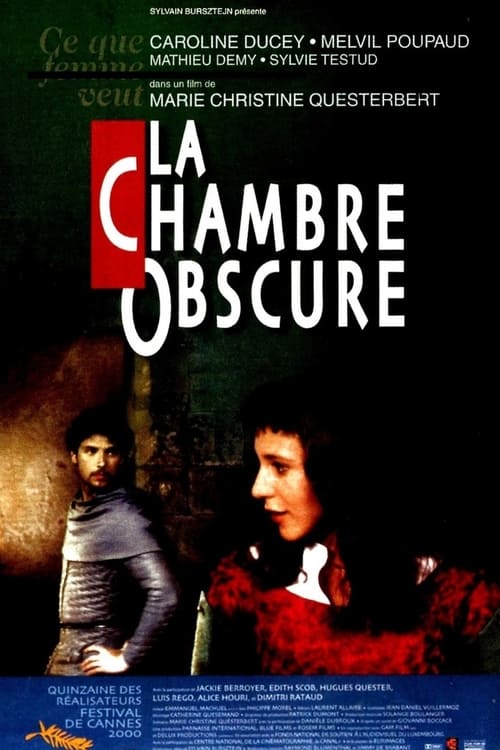
The Dark Room is a period drama that finds its strength in character's ability to drive the story rather than demographic breadth. By centering a woman who defies the social codes of 14th-century France, the film successfully disrupts traditional patriarchal narratives. Aliénor is an active protagonist who pursues her own destiny, providing a meaningful critique of the era's restrictive gender hierarchies. However, the film remains limited by its historical setting, which results in low racial and ethnic diversity. The lack of explicit LGBTQ+ representation and the absence of disability narratives also keep the overall score moderate. It is a film that excels in gender subversion while adhering to the demographic realities of its historical period.
Category Breakdown
The film lacks explicit depictions of non-straight relationships or same-sex intimacy. It focuses on a traditional romantic pursuit, though the protagonist's rejection of rigid social codes offers an implicit critique of 14th-century assumptions about straight relationships.
Aliénor serves as a powerful subversion of medieval gender hierarchies. Rather than accepting abandonment, she demonstrates high intellectual and physical ability to act, disrupting the cliché of the submissive, passive woman common in period dramas.
The setting in 14th-century France and Italy likely reflects the demographic homogeneity of the era. The movement between these regions suggests a Mediterranean intersection, though the cast appears primarily white.
The narrative critiques Western institutional power by prioritizing individual autonomy over marriage contracts and monarchical authority. Aliénor’s journey challenges the systemic constraints placed upon women by religious and social institutions.
There are no visible or mentioned depictions of physical or neurodivergent disabilities within the narrative.
Present on Screen
Limited or Absent
Official Synopsis
In 14th-century France, Aliénor breaks with the codes governing girls’ behavior and does as she wishes. The King of France grants her the hand of her childhood love, but her new husband deserts her immediately after the ceremony. Undeterred, she sets out after him, traveling to Siena to bring him back.
1987

1967

2022

1964

2004
1969
1981

2005
No reviews yet. Be the first to share your thoughts on this movie!
Use the rating form above to leave a star rating and optional review.