
Davetsiz Misafir
1983
No user ratings available yet
Representation score: 2.5 out of 10
Representation Score
Limited
1978
Director
Zeki Alasya
Average Rating
No ratings yetNew Showbiz Analysis
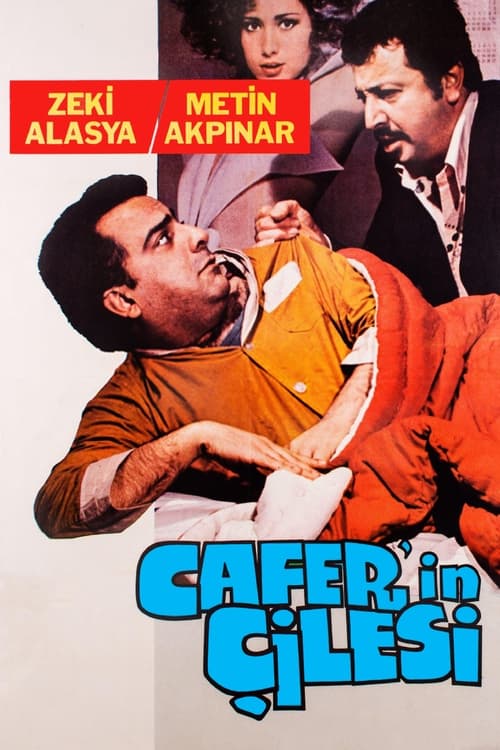
Cafer'in Çilesi is a character-driven situational comedy that relies on established social hierarchies. The plot follows a classic cliché where a caretaker's stability is disrupted by an external agent, focusing on domestic order rather than social disruption. The film reinforces traditional class and gender dynamics. While women hold positions of ownership, the central conflict and narrative energy are driven almost entirely by male relationships and service-oriented roles. Ultimately, the work functions as a localized comedic exploration of trust. It adheres to the conventional social and demographic norms of its era without attempting to challenge institutional structures.
Category Breakdown
The film emphasizes male camaraderie between Cafer and Refik. It operates within conventional social frameworks and does not include any representation of non-traditional gender identities.
Atiye Hanım holds property ownership, but the plot's momentum is driven by male interactions. The narrative reinforces traditional gender roles through its service-oriented hierarchy.
The production reflects the localized demographic norms of 1970s Turkish cinema. The cast appears ethnically homogeneous without any indication of diverse racial backgrounds.
The story centers on the preservation of a private estate and moral responsibility. It follows traditional storytelling regarding the consequences of failing to uphold upper-class trust.
There is no mention of visible or invisible disabilities. The narrative provides no information regarding the portrayal of neurodivergence or physical disability.
Present on Screen
Limited or Absent
Official Synopsis
Cafer is the sole employee at the mansion owned by Atiye Hanım and Azmi Bey. Having worked at the mansion for many years, the owners trust Cafer implicitly. One day, Azmi Bey and Atiye Hanım leave for Romania for a month. They leave Cafer in charge of the entire house. After the homeowners leave, Cafer runs into his army buddy Refik. Refik, who was fired from his job the same day, moves into the mansion to stay with Cafer. Cafer's trust in Refik will get him into trouble.
1983

1977
1985

1985

1977

2003
1978
1988
No reviews yet. Be the first to share your thoughts on this movie!
Use the rating form above to leave a star rating and optional review.