Close to Vermeer
2023
No user ratings available yet
Representation score: 0.7 out of 10
Representation Score
Limited
2015
PG-13Director
Waldemar Januszczak
Runtime
59 minutes
Average Rating
No ratings yetNew Showbiz Analysis
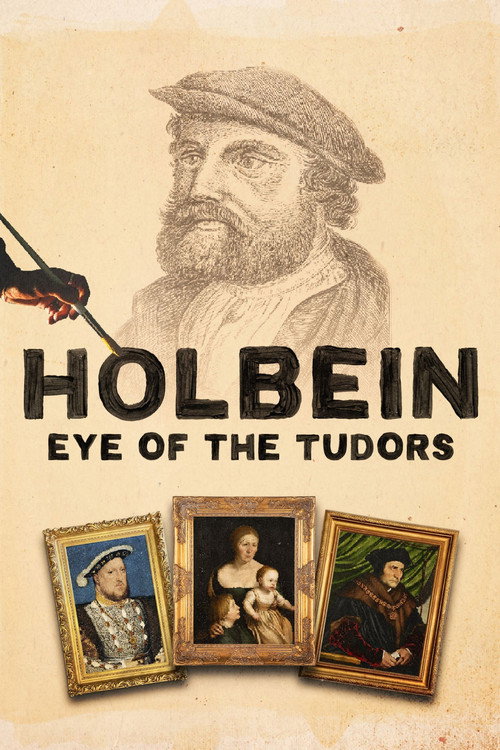
The film opens on the flattened nose of a skeletal Henry VIII, a stark contrast to the "Tudor gunslinger" ideal that Januszczak argues Holbein constructed. This visual gap is the engine of the documentary: the sold meaning is that art, not written history, reveals the true power dynamics of the Tudor court. Januszczak positions Holbein not as a passive recorder but as an active shaper of history, whose brushstrokes immortalized a king’s vanity and a court’s cruelty. The camera lingers on the technical precision of the portraits, treating them as living witnesses to a world where women were prizes and men were insecure tyrants. The ending reinforces this by framing the paintings as the only honest record, outliving the flesh they depict. While the film critiques the traditional hierarchies of the era, it ultimately affirms the Western canon’s authority to define historical truth.
Category Breakdown
The narrative tracks heterosexual royal marriages and dynastic succession. No same-sex intimacy, identity, or discussion appears in the visual or verbal record.
Henry VIII is framed as a vain tyrant masking frailty, while Anne Boleyn is an intelligent victim discarded for lacking a male heir. The camera critiques the patriarchal structure that consumes women as political utility.
The film centers the white, European elite of the Tudor court. Non-white figures, colonial contexts, or ethnic diversity are not depicted or discussed, reflecting the historical scope.
The Reformation is analyzed as a political maneuver for annulment rather than theological truth. Traditional institutions are treated as vehicles for power, yet the film affirms Western art as the definitive historical record.
Henry VIII’s physical decline is mentioned as a factor in his paranoia but is not the visual focus. Impairment is treated as a historical footnote rather than a lived experience.
Present on Screen
Limited or Absent
Official Synopsis
A survey of Hans Holbein's career from his beginnings as a religious painter to his work for Henry VIII and beyond. The program also includes a close analysis of "The Ambassadors".
2023
2021
2018
2019
2019

2004
2018
2019
No reviews yet. Be the first to share your thoughts on this movie!
Use the rating form above to leave a star rating and optional review.