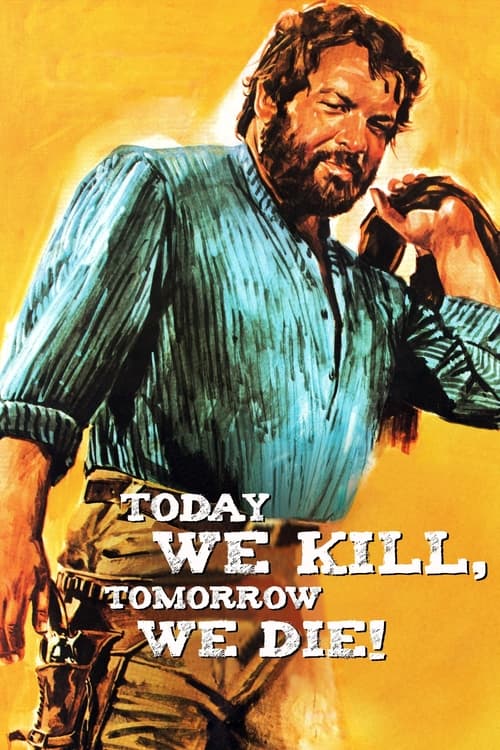
Today We Kill, Tomorrow We Die!
1968
No user ratings available yet
Representation score: 1.3 out of 10
Representation Score
Minimal
1969
RDirector
Al Adamson
Runtime
88 minutes
Average Rating
No ratings yetNew Showbiz Analysis
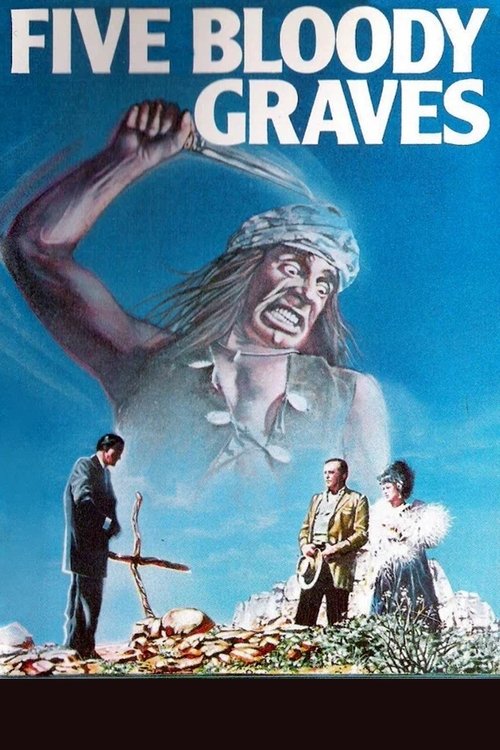
Five Bloody Graves is a product of the 1960s exploitation era, prioritizing genre clichés over social complexity. The film follows a traditional Western structure where a lone hero restores order against perceived threats. While the film includes Indigenous characters, they are framed through the 'marauder' cliché, serving as obstacles for the protagonist. This reliance on archetypes limits the depth of its racial and cultural representation. Ultimately, the film reinforces conventional hierarchies. It centers on masculine dominance and traditional frontier myths, offering little room for diverse perspectives or challenges to the status quo.
Category Breakdown
The film does not include any LGBTQ+ characters or narratives. It adheres strictly to the conventions that assume everyone is straight or cisgender.
The story centers on a lone gunman, emphasizing male dominance and physical strength. Women appear primarily as passive passengers who require rescue by male heroism.
Apache characters provide racial diversity but are portrayed as fearsome antagonists. The narrative relies on historical stereotypes rather than nuanced or deep Indigenous representation.
The film reinforces classic Western myths of frontier justice. It focuses on individualist heroism and the preservation of established social orders.
There is no evidence of characters with visible or invisible disabilities. The narrative does not address disability in any capacity.
Present on Screen
Limited or Absent
Official Synopsis
A lone gunman hunts the fearsome Apache Satago across the plains of the Wild West. When Satago's marauders ambush a stagecoach, the gunman rides to the rescue of the trapped passengers and helps them in their last stand against the deadly Indians.
1968
1966
2025
1959
1974
1968
1956
1966
No reviews yet. Be the first to share your thoughts on this movie!
Use the rating form above to leave a star rating and optional review.