
Balearic Caper
1966
No user ratings available yet
Diversity score: 3.2 out of 10
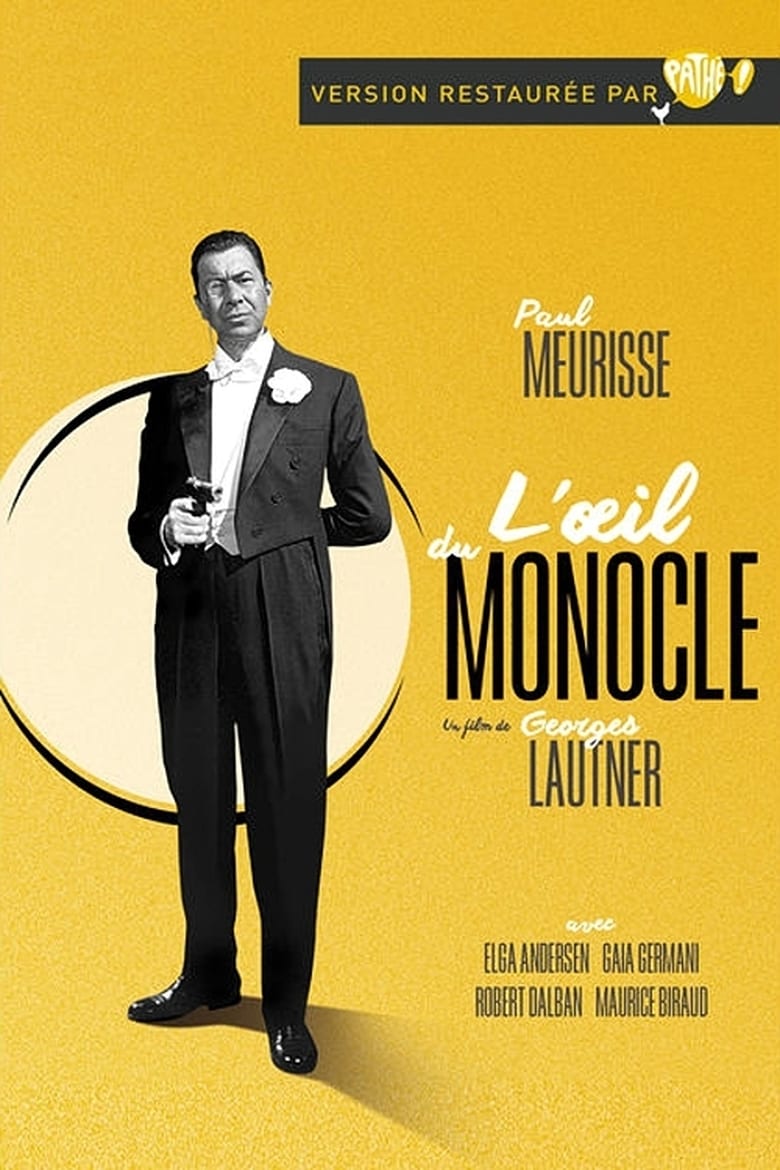
1962
Director
Georges Lautner
Runtime
104 minutes
Average Rating
No ratings yetSynopsis
In 1943, a German commando conceals a large quantity of gold in an undersea cave on the coast of Corsica. Years later, Schlumpf, the sole survivor of the commando, returns to Corsica to recuperate the treasure -- with British and Soviet spies on his heels, and closely monitored by Dromard, from the French intelligence services. The monocled Dromard is convinced that he can outfox his opponents, but difficulties accumulate: despite his plump appearance, Herr Schlumpf is a sly fellow; Corsica is teeming with treasure hunters from various nationalities; and all parties readily resort to unnatural alliances, brazen treachery, and strong-arm tactics. Who will get the treasure?
Overall Score
Limited
Category Breakdown
LGBTQ+ Representation
The film lacks any depiction of non-cisnormative identities or same-sex intimacy. It relies on traditional character archetypes typical of 1960s thrillers.
Gender Representation
The story presents a male-dominated landscape of spies and commandos. Agency and tactical decision-making are concentrated in masculine roles like Schlumpf and Dromard.
Racial & Ethnic Diversity
A multi-national cast involving British, Soviet, and French interests provides internationalism. However, the focus remains on geopolitical tensions rather than ethnic intersectionality.
Religious & Cultural Diversity
The narrative utilizes mid-century espionage tropes centered on nationalistic interests. It functions as a traditional adventure-thriller without systemic critiques of religion or capitalism.
Disability Representation
There is no mention of characters with visible or invisible disabilities in the narrative.
Strengths
Areas for Improvement
AI Analysis
The film is a period-specific genre piece that adheres to the cinematic norms of the early 1960s. Its narrative architecture is built upon traditional tropes of espionage, international rivalry, and individual greed. While the plot incorporates various national identities through competing spy factions, it lacks the intentionality needed to disrupt social hierarchies. The focus remains on the pursuit of wartime gold and tactical deception. Ultimately, the work operates within a standard framework of mid-century adventure storytelling, prioritizing geopolitical friction over nuanced or intersectional character development.
1966
1964
1971
1964

1980
1973
1964
No reviews yet. Be the first to share your thoughts on this movie!
Use the rating form above to leave a star rating and optional review.