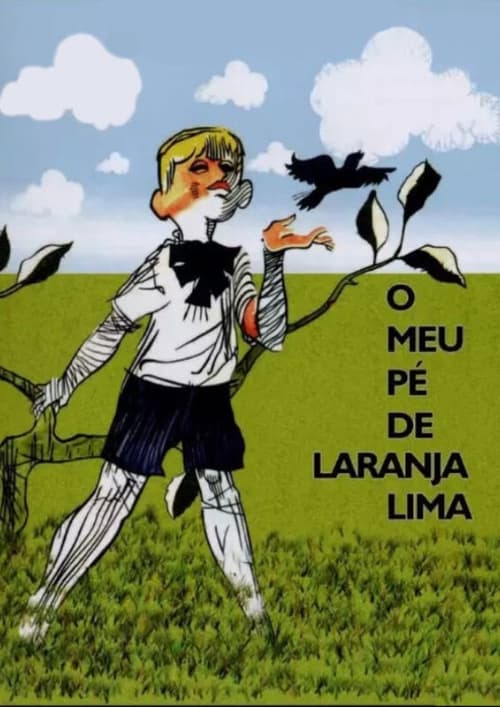
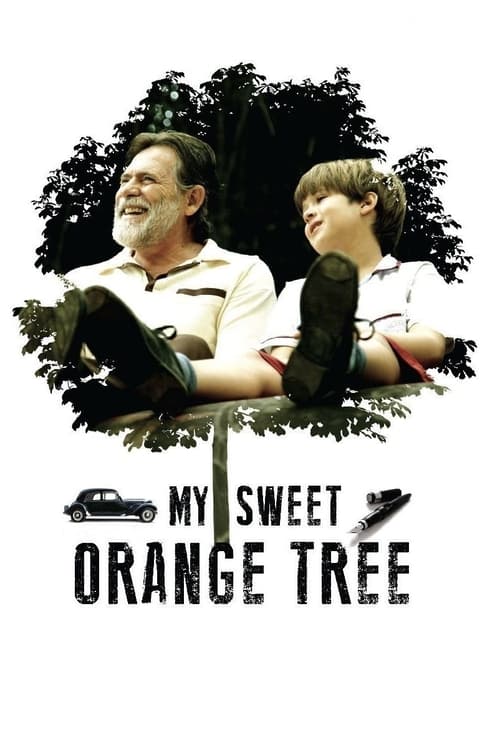
My Sweet Orange Tree
1970
No user ratings available yet
Representation score: 1.7 out of 10
Representation Score
Fair
2012
Director
Marcos Bernstein
Runtime
99 minutes
Average Rating
No ratings yetNew Showbiz Analysis
Marcos Bernstein’s drama excels as a realistic portrayal of socioeconomic conditions rather than a platform for identity-based clichés. It dismantles the myth of happy domesticity, presenting a raw examination of how poverty shapes behavior. While the film does not explicitly represent LGBTQ+ identities or clinical disability narratives, it offers a nuanced look at the Brazilian working class. Characters are defined more by their economic and regional contexts than by performative diversity. Ultimately, the film is a portrait of vulnerability, trading sanitized clichés for a grounded exploration of how systemic neglect affects a child and a family.
Category Breakdown
The film does not include any LGBTQ+ characters or explore non-straight identities. The story centers on domestic conflicts and a friendship between a boy and his mentor.
The narrative portrays a broken patriarchal structure where male characters face economic instability or emotional turmoil. Female characters are primarily depicted in traditional maternal and domestic roles.
The film showcases a cast that mirrors Brazil's rich racial and ethnic diversity. It avoids a Western-centric perspective by emphasizing regional and socioeconomic realities.
The film challenges idealized family scenarios by depicting households through hardship and scarcity. It presents the protagonist's rebellion as a natural reaction to systemic poverty.
There are no specific physical or neurological disabilities explicitly mentioned. However, the protagonist's vivid imagination highlights psychological vulnerability and childhood temperament.
Present on Screen
Limited or Absent
Official Synopsis
Zezé is an 8 year old boy who, although a naughty boy, has a good heart. He leads a very modest life, due to the fact that his father has been unemployed for a long time, and has the habit of having long conversations with a sweet orange tree which is in his backyard. Until one day he meets Portuga, a man who begins to help him and soon becomes his best friend.
1970
2018

1973

1997

2019
1982

2011
1997
No reviews yet. Be the first to share your thoughts on this movie!
Use the rating form above to leave a star rating and optional review.