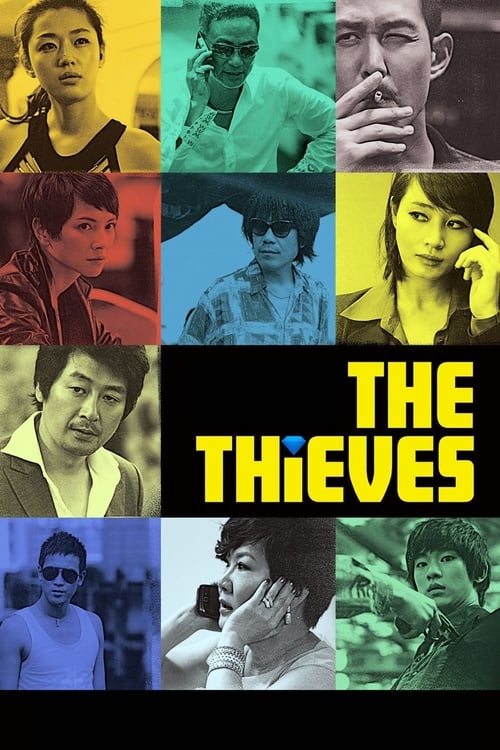
The Thieves
2012
No user ratings available yet
Representation score: 4.8 out of 10
Representation Score
Fair
1996
PGDirector
John Woo
Runtime
96 minutes
Average Rating
No ratings yetNew Showbiz Analysis
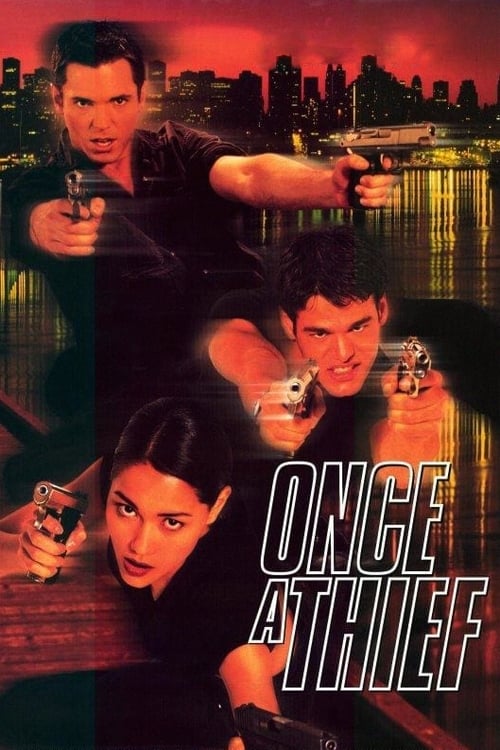
John Woo's film stands out for its strong ethnic representation, using a predominantly East Asian cast to challenge the Anglo-centric casting trends of the 1990s. By centering professional thieves, the narrative successfully shifts away from traditional legalistic morality towards complex, localized loyalties. However, the film remains constrained by the genre conventions of its time. It relies on traditional gender roles and a strictly heterosexual romantic structure, offering limited space for diverse character identities. Ultimately, the work is a culturally grounded action piece that prioritizes stylized violence and personal brotherhood over progressive social frameworks.
Category Breakdown
The film does not include any LGBTQ+ characters or identities that go beyond strict heterosexual relationships. The romance focuses solely on the relationship between Mac and Li Ann.
Li Ann is portrayed as a capable professional, but the story's energy is driven by male characters. The central conflict revolves around masculine rivalry and traditional gender roles.
The cast is primarily East Asian, reflecting the film's Hong Kong origins. It avoids the era's common practice of whitewashing by featuring Asian actors in prominent roles.
The story replaces Western institutional morality with a tribal sense of loyalty. It emphasizes situational ethics and family dynamics over state-sanctioned justice or religious doctrine.
There is no meaningful representation of physical or neurodivergent disabilities. Characters are defined almost entirely by their physical abilities needed for action sequences.
Present on Screen
Limited or Absent
Official Synopsis
Set in Hong Kong and Vancouver, the story follows Mac Ramsey and Li Ann Tsei, lovers and professional thieves who are separated while fleeing the powerful Hong Kong underworld crime lord who raised and trained them. After being imprisoned in Hong Kong, Mac is forcefully recruited into a clandestine international crime-fighting unit by a hard-nosed, menacing Director. He is teamed in Vancouver with Li Ann, who thought Mac was dead, and her new fiancé Victor Mansfield, an ex-cop who is attracted to the unorthodox methods of the agency. Conflict flares between Mac and Victor as the trio take on their assignment. They soon learn that their principal target is their foster brother Michael Tang, who had been given Li Ann as his future wife and who has vowed to hunt down the pair for their disloyalty to the "family".
2012
1991

1991
1999
1986
2016
1998

2001
No reviews yet. Be the first to share your thoughts on this movie!
Use the rating form above to leave a star rating and optional review.