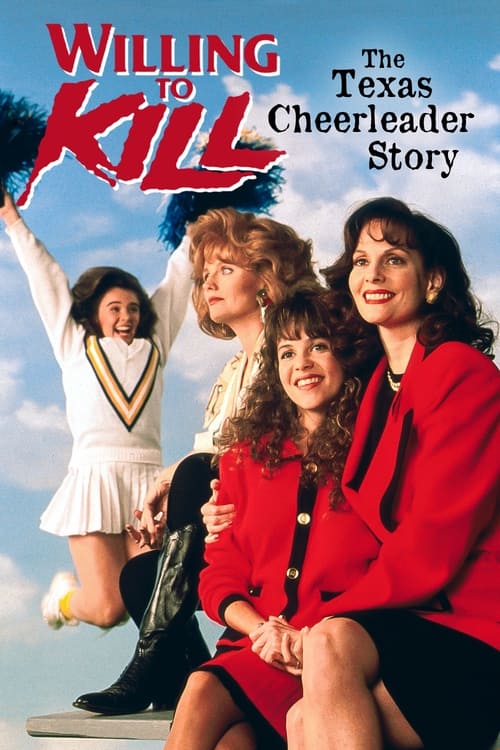
Willing to Kill: The Texas Cheerleader Story
1992
No user ratings available yet
Representation score: 2.0 out of 10

Representation Score
Limited
1997
TV-PGDirector
Larry Shaw
Runtime
96 minutes
Average Rating
No ratings yetNew Showbiz Analysis
Mother Knows Best operates as a conventional domestic thriller, relying heavily on established family dysfunction clichés. The plot is driven by individual pathology and maternal control rather than any broader social commentary. The film lacks evidence of multi-layered casting or the subversion of power dynamics. It centers on a traditional nuclear family structure, which limits its engagement with diverse identities or cultural critiques. Ultimately, the narrative adheres to standard dramatic conventions, offering little in the way of representation beyond a narrow, straight-centered lens.
Category Breakdown
The story focuses on a domestic conflict that assumes everyone is straight or cisgender. It does not engage with non-traditional gender identities or critiques of the assumption that everyone is straight or cisgender.
Women drive the plot through their roles as mothers and the volatility of their domestic lives. However, the conflict remains rooted in traditional gender roles rather than challenging the power dynamics between genders.
The available information provides no details regarding the racial or ethnic composition of the cast or setting. Consequently, no assessment can be made.
The film follows traditional family drama clichés centered around the nuclear family. It lacks any explicit critique of religious, capitalist, or Western institutions.
There is no mention of characters dealing with physical, neurodivergent, or mental health conditions. The narrative does not address disability.
Present on Screen
Limited or Absent
Official Synopsis
A woman urges her daughter to get married. And when her daughter does, she doesn't think that she made a good choice. So she goes out and hires a killer to kill her son-in-law.
1992
2006

2012

1999
2001
2019

1995
1994
No reviews yet. Be the first to share your thoughts on this movie!
Use the rating form above to leave a star rating and optional review.