
Mother Knows Best
1997
No user ratings available yet
Representation score: 2.0 out of 10
Representation Score
Limited
1992
TV-14Director
David Greene
Runtime
120 minutes
Average Rating
No ratings yetNew Showbiz Analysis
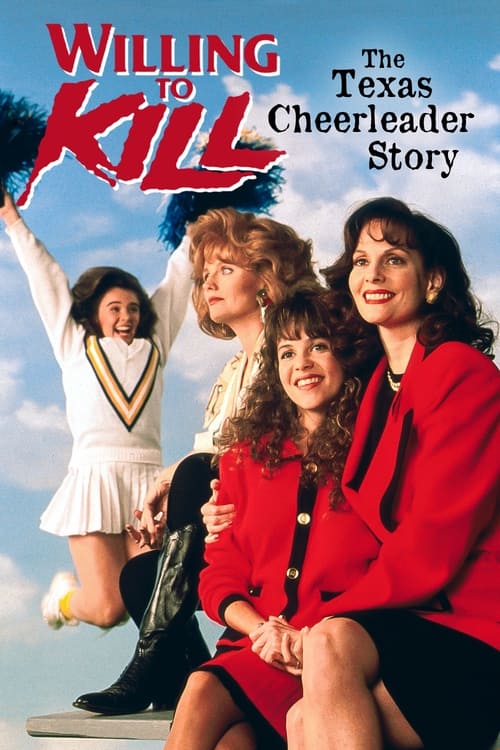
Willing to Kill: The Texas Cheerleader Story is a conventional domestic thriller. While it centers on female-driven plots, these are often rooted in social manipulation rather than challenging patriarchal structures. The film lacks complexity in its portrayal of diverse identities and social roles, focusing instead on interpersonal conflicts within a traditional setting. It appears to reinforce established norms rather than challenge them. Overall, the production reflects the demographic and narrative conventions of early 1990s television, emphasizing domestic drama over broader cultural critique.
Category Breakdown
The film does not include any LGBTQ+ characters or narratives that question traditional gender identities.
Women play key roles in the plot through jealousy and conspiracy, but their roles are tied to traditional domestic settings like homemaking.
Set in Texas during the cheerleading subculture of the early 1990s, the film likely features predominantly white, middle-class characters.
The narrative focuses on personal morality and interpersonal relationships without addressing broader cultural or societal critiques.
There is no indication of the portrayal of physical or neurodivergent disabilities in this production.
Present on Screen
Limited or Absent
Official Synopsis
A homemaker is driven by jealousy to conspire against the mother of her daughter's rival.
1997

1994
2001
2014
1994
2019
2021

1991
No reviews yet. Be the first to share your thoughts on this movie!
Use the rating form above to leave a star rating and optional review.