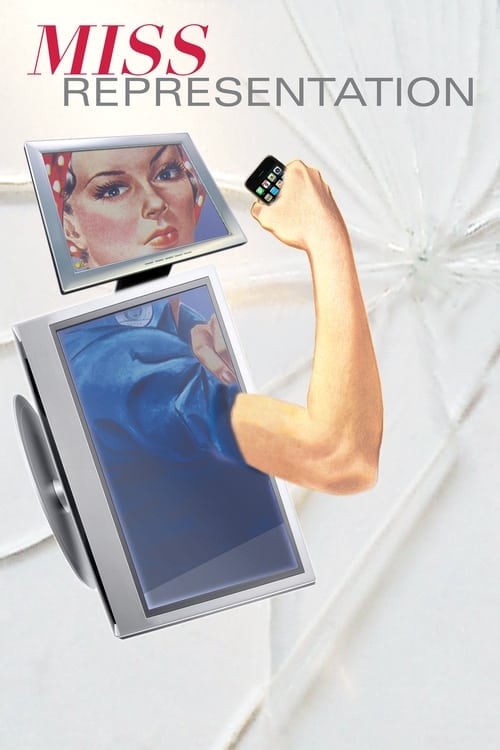
Miss Representation
2011
No user ratings available yet
Diversity score: 6.4 out of 10

2015
Director
Robin Hauser
Runtime
80 minutes
Average Rating
No ratings yetSynopsis
At a time in the United States when the tech sector outpaces the overall growth of the employment market, CODE asks the important question: Where are all the women?
Overall Score
Good
Category Breakdown
LGBTQ+ Representation
The film maintains a neutral stance regarding queer identities. While it critiques rigid social structures, it lacks explicit LGBTQ+ character arcs or queer-centric narratives.
Gender Representation
This documentary centers on women's lived experiences to subvert masculine archetypes in tech. It effectively portrays women as the primary agents of systemic change within the industry.
Racial & Ethnic Diversity
The film addresses systemic barriers that intersect with racial disparities. However, it lacks specific evidence of a non-white majority cast or explicit intersectional case studies.
Religious & Cultural Diversity
The narrative focuses on deconstructing Western corporate norms and capitalist structures. It prioritizes sociological inquiry and social equity over traditionalist or religious morality.
Disability Representation
There is no clear evidence of characters with visible or invisible disabilities. The film does not center neurodivergence or physical disability as primary narrative drivers.
Strengths
Areas for Improvement
AI Analysis
Code: Debugging the Gender Gap is a targeted critique of professional hierarchies. It succeeds by challenging the default masculine identity of the tech sector through a framework of systemic analysis. The film's strength lies in its commitment to questioning traditional gender roles in high-growth economic sectors. While the documentary excels at gender representation, it lacks depth in other areas. The focus remains heavily on the gender binary, leaving LGBTQ+ and disability representation largely unaddressed. The narrative's intersectional breadth is also limited, as it does not provide explicit evidence of diverse racial or ethnic case studies. Ultimately, the film serves as a powerful tool for investigating industry-specific power dynamics. It moves beyond mere statistics to deconstruct the structural obstacles that prevent equity in the STEM workforce.
2011

2021

2012

1975
2018

2018

2011

2020

2013

2018

2016

2020
No reviews yet. Be the first to share your thoughts on this movie!
Use the rating form above to leave a star rating and optional review.