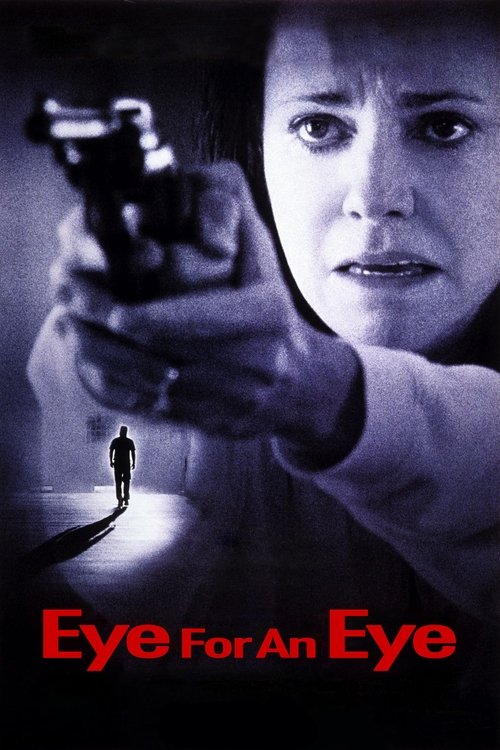
Eye for an Eye
1996
No user ratings available yet
Representation score: 4.3 out of 10

Representation Score
Good
2017
Not RatedDirector
Natalia Leite
Runtime
92 minutes
Average Rating
No ratings yetNew Showbiz Analysis
M.F.A. is a character-driven thriller that dismantles traditional gender roles. By focusing on a female protagonist reclaiming her ability to act after systemic trauma, the film effectively challenges patriarchal norms and female passivity. However, the film lacks diversity in other areas of identity. It remains centered around a white, middle-class perspective, offering limited racial or multi-layered depth. LGBTQ+ representation is also minimal, serving the plot only incidentally. Ultimately, the film's strength lies in its critique of Western social structures and its moral relativism, despite missing opportunities for broader cultural diversity.
Category Breakdown
The story focuses on heterosexual relationships and sexual exploration. Non-cisgender identities are mentioned but are not central to the plot.
The film challenges gender roles by giving the female protagonist significant influence. It defies traditional expectations by highlighting her intellect and survival skills.
The narrative centers on a white, middle-class protagonist. It does not emphasize diverse casting or non-Anglo-Saxon viewpoints.
The film critiques the pressures of neoliberal economics and traditional success measures. It portrays a complex, modern reality that rejects conventional societal milestones and institutional stability.
The film examines the psychological impact of trauma as an invisible mental health issue. However, it does not specifically address neurodivergence or other disabilities.
Present on Screen
Limited or Absent
Official Synopsis
After the accidental death of her rapist, an art student becomes an unlikely vigilante, set out to avenge college girls whose rapists were not charged.
1996

2017

2019

1978

2020

2016

2015

2019
No reviews yet. Be the first to share your thoughts on this movie!
Use the rating form above to leave a star rating and optional review.