
The Computer Wore Tennis Shoes
1995
No user ratings available yet
Representation score: 2.0 out of 10
Representation Score
Minimal
1969
GDirector
Robert Butler
Runtime
91 minutes
Average Rating
No ratings yetNew Showbiz Analysis
This film embodies the conventions of mid-century Hollywood cinema, emphasizing a singular, homogenous viewpoint that supports existing social hierarchies and moral frameworks. The story structure relies heavily on conventional clichés and a homogeneous cast. By centering on a narrow, Anglo-centric view of college life, the film sidesteps issues of multiculturalism and systemic power structures. In essence, the story upholds the status quo. It employs a traditional moral divide to propel the plot, ensuring the conclusion reinforces respect for current social and academic norms.
Category Breakdown
The film does not include any LGBTQ+ characters or non-straight identities. The world presented is strictly focused on straight relationships and gender matching birth-assigned identities.
The male lead drives the story, while female characters mostly serve as friends or romantic interests without much independence or intellectual depth.
The story unfolds in a predominantly white, middle-class American setting with little to no racial or ethnic diversity among the characters.
The narrative emphasizes traditional Western values and a clear moral divide. It promotes respect for established social and academic norms without questioning them.
The protagonist's 'computer brain' is used as a humorous element without delving into the complexities of neurodiversity or the real experiences of those with disabilities.
Present on Screen
Limited or Absent
Official Synopsis
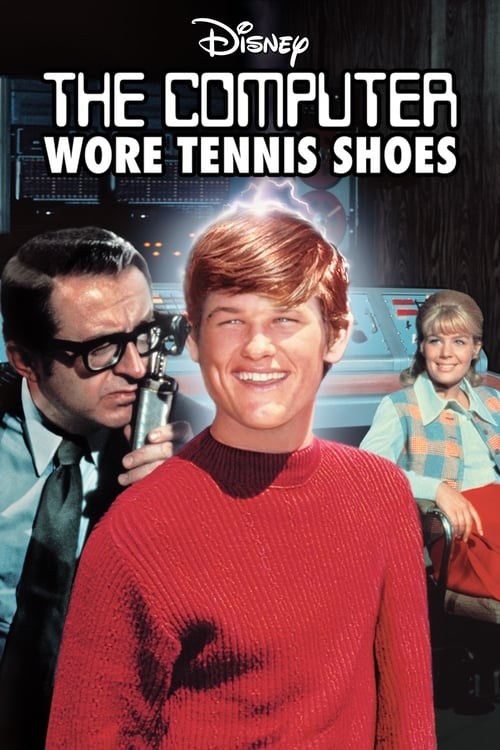
Some college students manage to persuade the town's big businessman, A. J. Arno, to donate a computer to their college. When the problem- student, Dexter Riley, tries to fix the computer, he gets an electric shock and his brain turns to a computer; now he remembers everything he reads. Unfortunately, he also remembers information which was in the computer's memory, like Arno's illegal businesses..
1995
1961
1988
1984
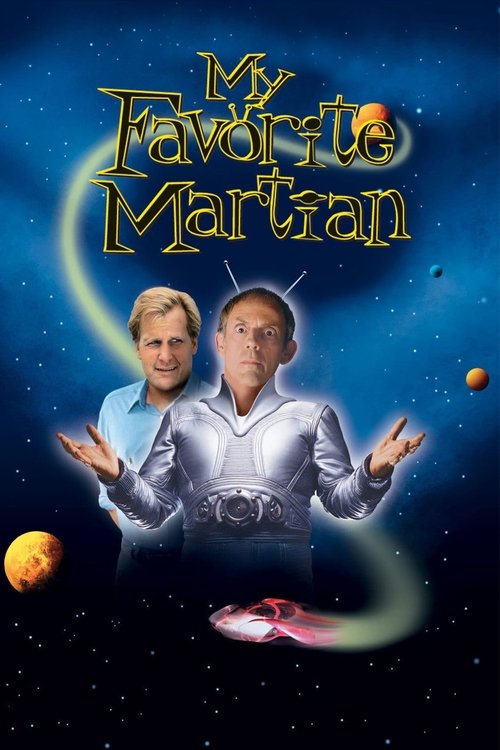
1999
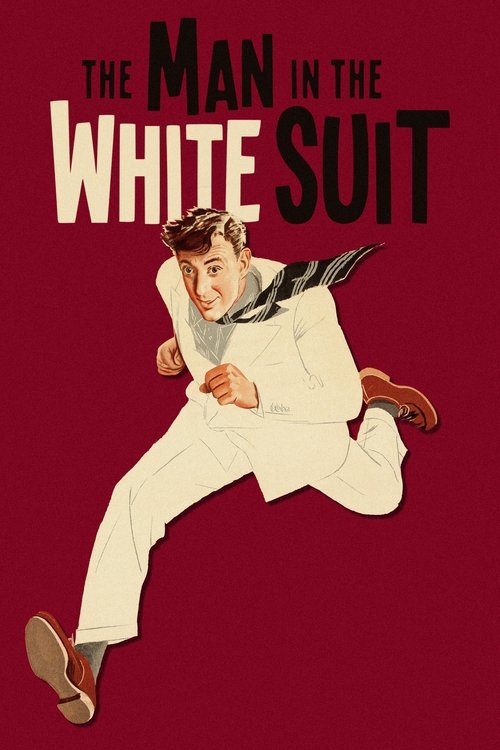
1951
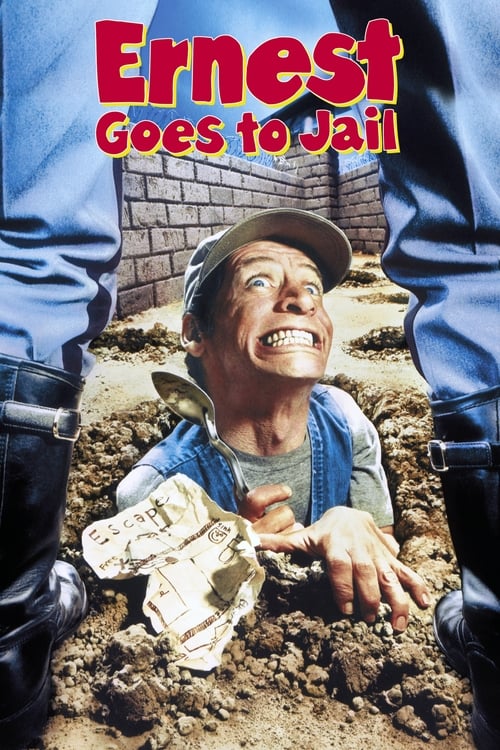
1990
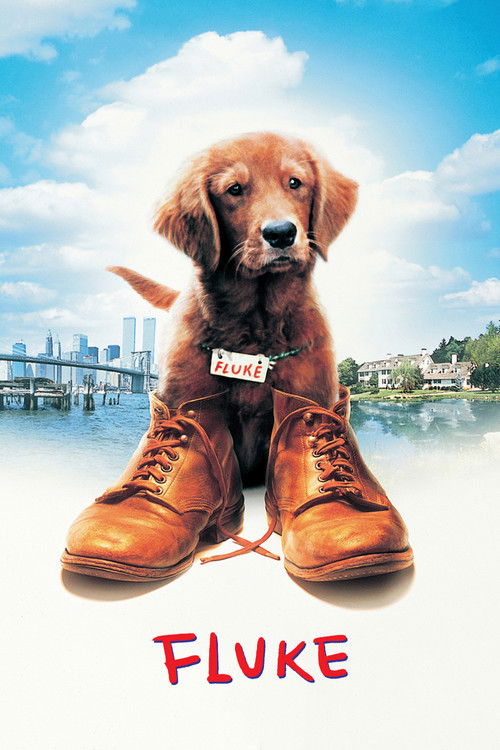
1995
No reviews yet. Be the first to share your thoughts on this movie!
Use the rating form above to leave a star rating and optional review.