
Namaste Wahala
2020
No user ratings available yet
Representation score: 4.1 out of 10
Representation Score
Limited
2018
Not RatedDirector
Abhiraj Minawala
Runtime
140 minutes
Average Rating
No ratings yetNew Showbiz Analysis
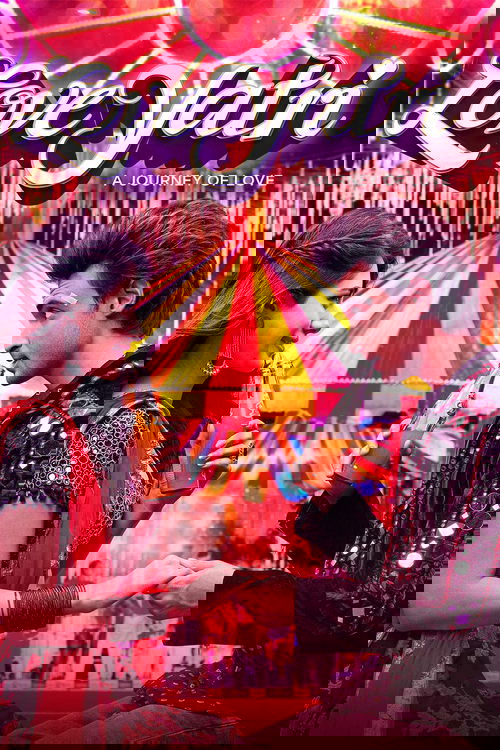
Loveyatri is a conventional romantic comedy that celebrates specific South Asian traditions and the diaspora experience. It centers on a typical male-female romance during the Navratri festival. The film successfully portrays specific cultural traditions but remains within a narrow cultural framework that avoids broader social critiques or challenging established hierarchies. It does not represent LGBTQ+ identities or people with disabilities, focusing instead on traditional family structures.
Category Breakdown
The film follows traditional heterosexual storylines and does not include any LGBTQ+ identities or same-sex relationships.
Gender roles follow typical romantic storylines. The female lead faces conflicts between personal freedom and family obligations, but the story maintains traditional gender roles.
The cast mainly consists of South Asians, representing Gujarati Hindu identity well. However, the story focuses narrowly on this community without exploring diverse backgrounds.
The story highlights traditional values, family reconciliation, and cultural customs. It uses London as a neutral setting without critiquing Western institutions.
There are no visible or invisible disabilities among the main characters. The film does not use disability as part of the plot.
Present on Screen
Limited or Absent
Official Synopsis
Romance blossoms between young Sushrut and Michelle when they meet during the festival of Navratri. When Michelle returns home to the United Kingdom, Sushrut embarks on an adventurous journey through a strange land to win back the woman he loves.
2020

2011

2006
2017

2006
2018
2014
2017
No reviews yet. Be the first to share your thoughts on this movie!
Use the rating form above to leave a star rating and optional review.