
Pelé Forever
2004
No user ratings available yet
Representation score: 6.5 out of 10
Representation Score
Good
1962
Director
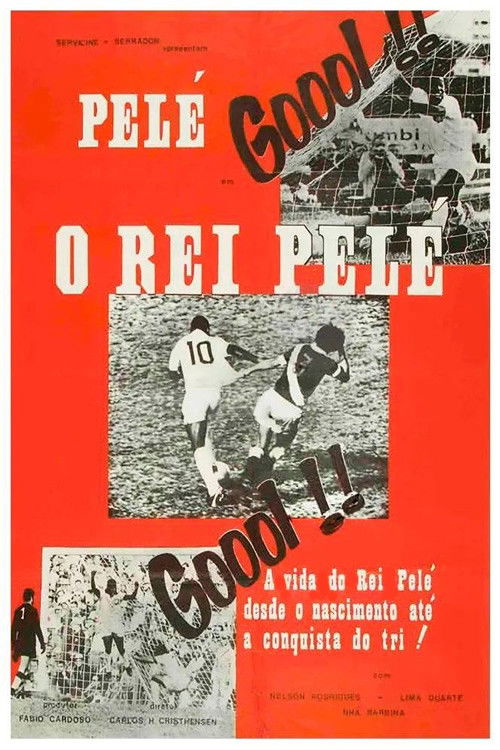
Carlos Hugo Christensen
Runtime
90 minutes
Average Rating
No ratings yetNew Showbiz Analysis
O Rei Pelé stands as a significant cultural counterpoint to the mid-century cinematic landscape. By focusing on the rise of a Black Brazilian icon, the film elevates a protagonist who exists outside the typical Eurocentric focus of the 1960s. While the film excels in racial and cultural representation, it remains bound by the social constraints of its time. The narrative structure emphasizes a male-dominated world, reflecting the traditional gender hierarchies prevalent in biographical sports dramas of the era. Ultimately, the work offers a meaningful platform for South American excellence. It disrupts standard demographic norms by prioritizing a non-Western perspective on global success and athletic achievement.
Category Breakdown
The film does not include any LGBTQ+ characters or storylines related to queerness. This reflects a neutral stance for a documentary of this era.
The story focuses on a male-dominated world of professional sports. It adheres to traditional gender roles common in 1960s dramas, offering limited subversion of social norms.
The film highlights a Black individual as a globally recognized leader who play a significant role in driving the story. This counters the era's tendency to focus on white figures by celebrating Black excellence and South American identity.
The film promotes a non-Western narrative of success by centering Brazilian culture and soccer. It challenges the dominance of Western cultures by celebrating regional talent.
There is no specific depiction of disability in the film. The score reflects a neutral stance for the production.
Present on Screen
Limited or Absent
Official Synopsis
The story of Pelé, from his birth to his rise as one of the most prominent players in both Brazilian and worldwide soccer.
2004

2021
2016

2008
1962

2014
2014

2016
No reviews yet. Be the first to share your thoughts on this movie!
Use the rating form above to leave a star rating and optional review.